Skip to content

Post Partition River and Language Concerns | Part 2 of 2

Here's part II's excerpt from my book about Punjab's rivers and having Punjabi recognized as the state language post Partition.
Amar
4 min read
Post Partition River and Language Concerns | Part 2 of 2

Here's Part 1 of 2.

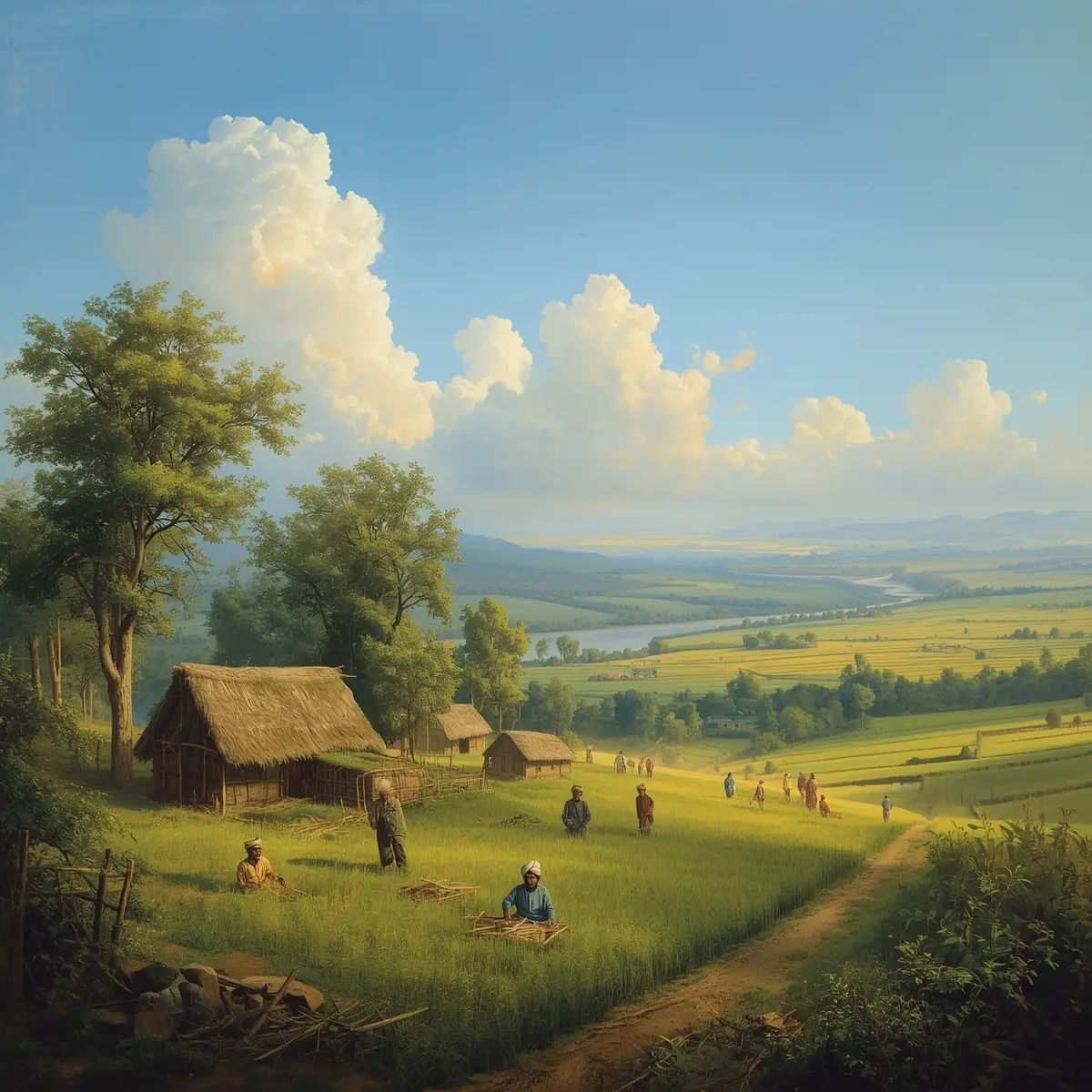
And there were other compromises. Punjab was given minimal autonomy, and the Indian government took control of important power and irrigation projects in the region. “Punjab” means “The Land of the Five Waters,” in honor of its five rivers—Jhelum, Beas, Sutlej, Chenab, and Ravi—that traverse the region’s golden, rolling farmlands. The five rivers are the heart and soul of the agricultural industries in both India and Pakistan and like the land, the waters were also divided by 1947’s Partition. Three rivers flow through India’s Punjab, while the other two are in Pakistan.

Rivers of Punjab

The Indus Water Treaty of 1960, negotiated with the help of the World Bank, gave control of the three eastern rivers (the Beas, Ravi, Sutlej) to India and the three western rivers (the Indus, Chenab, Jhelum) to Pakistan. After the restructure of Punjab in 1966, India rerouted a staggering 76 percent of water from the Beas, Sutlej, and Ravi Rivers to provide drinking water and irrigation to Haryana and Rajasthan, reducing the rivers’ flow through Punjab to only 24 percent—much to the outrage of the Sikh community. To many Punjabis, especially the farming community who depend heavily on these waters for irrigation, this allocation seemed unjust and unnecessary.


Related Posts

Members Public

The Rise and Fall of Banda Singh Bahadur | Part 3 of 3

Here is the part 3 of 3 excerpt from my book about the legendary Sikh warrior Banda Singh Bahadur.

The Rise and Fall of Banda Singh Bahadur | Part 3 of 3
Members Public

Book Review | Walking With Nanak

Here's my book review for "Walking With Nanak," a modern interpretation of the Sikh founder's journey.

Book Review | Walking With Nanak
Members Public

The Journey of the Koh-i-Noor Diamond

An excerpt from my book on how the Koh-i-Noor diamond went from Maharaja Ranjit Singh to the British crown.

The Journey of the Koh-i-Noor Diamond