Satluj | India Banned This Film
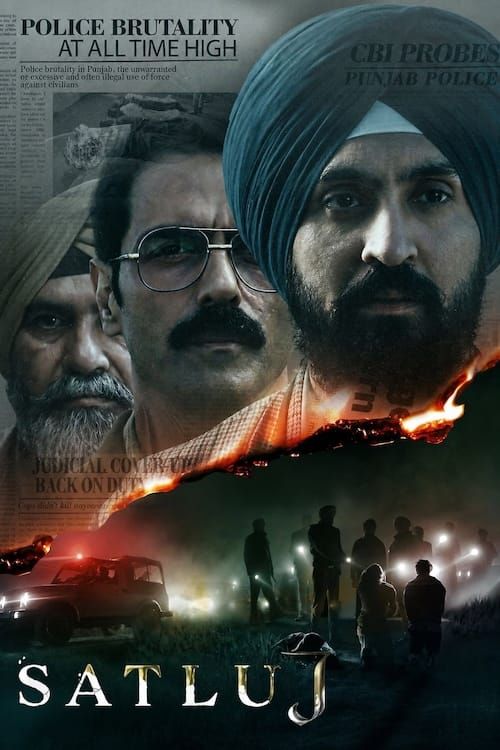
Despite the government ban, Satluj, a film based on the life and murder of human rights activist Jaswant Singh Khalra, finds its audience.
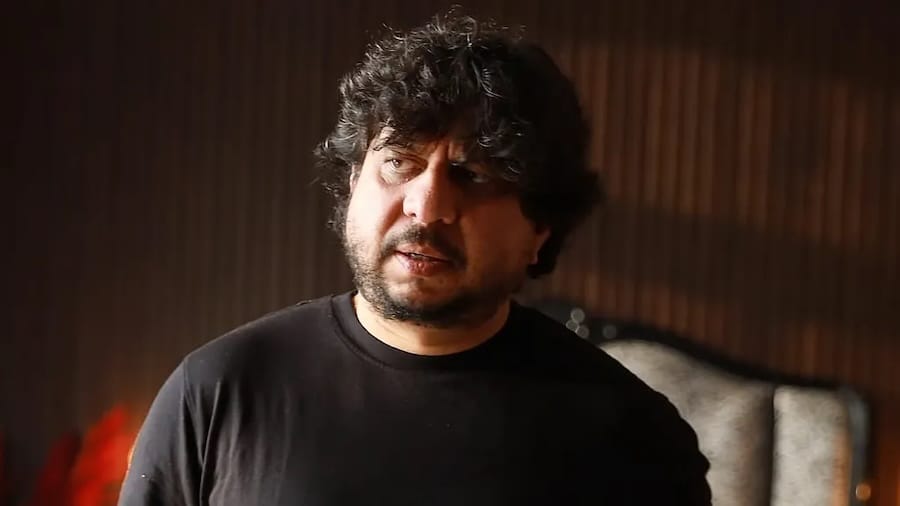
"Ours is just a small film — a small chapter of someone’s life. To suggest it’s a threat to the nation’s security is disrespecting ourselves, our intelligence, our armed forces. All of this appears politically driven." — director Honey Trehan
The Punjabi film "Satluj" has become the center of controversy in both the Punjabi Sikh community and the international film scene after the Indian government banned it because it “goes against India’s sovereignty."
Though the film was completed almost 3 years ago, it has faced an uphill battle since then to get released. In 2023, the film was scheduled to have its world premiere at the Toronto International Film Festival but was removed without explanation. India's censor board ordered the film’s name to be changed twice (Ghallughara [Sikh genocide], then Punjab 95). And they also demanded nearly 130 cuts before allowing a theatrical release, but the filmmakers refused. Finally, Satluj was released on the ZEE5 streaming platform on July 3, 2026—only for it to be removed 48 hours later on security concerns.
Anticipating the possibility of it being blocked, its lead actor portraying Jaswant Singh Khalra, Diljit Dosanjh (one of India’s biggest film and music stars), told his followers on social media that if they hadn't seen the movie, they should quickly download it. Soon, the film began circulating through informal networks across Punjab and beyond with rave reviews, with critics touting it as one of the most powerful Indian films made in recent years. However, the financial setback is enormous for the filmmakers, who had to fight the censor board, legal wrangles and can't recoup costs from theaters or streaming platforms.
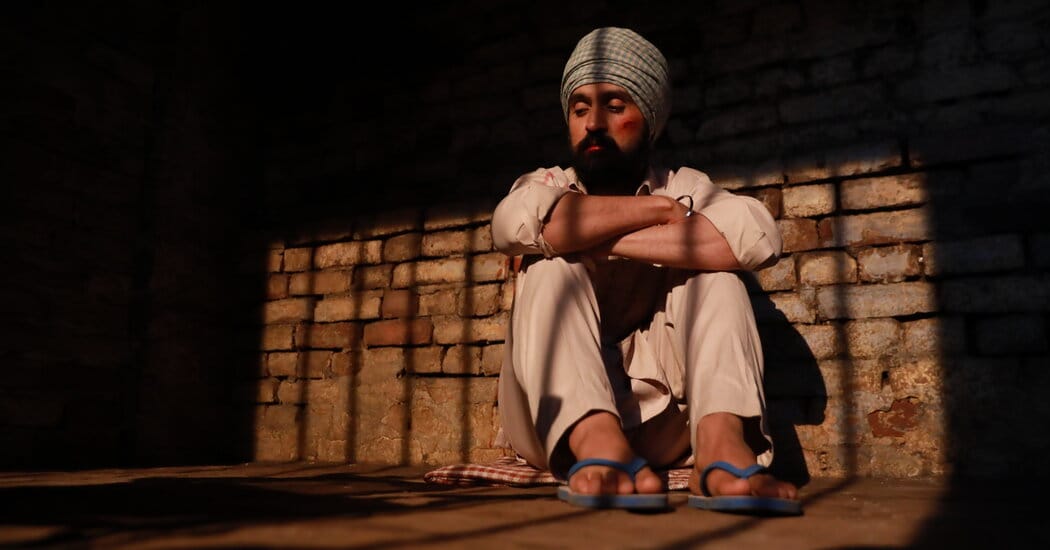
The Khalistan insurgency was one of independent India's bloodiest internal conflicts during the 1980s and early 1990s. It grew from political and religious grievances over Sikh identity, demands for greater autonomy, water rights, and federal control over Punjab stemming since India's Independence in 1947.
In response to the protests and growing demonstrations in the 1970s and early 80s, the Congress Party, led by Prime Minister Indira Gandhi, ordered arrests, beatings, and police killings of Sikh protesters and rebels. In response, armed Sikh fighters carried out bombings, targeted killings, and assassinations, while the police and paramilitary forces launched a sweeping operation to crack down on those involved.
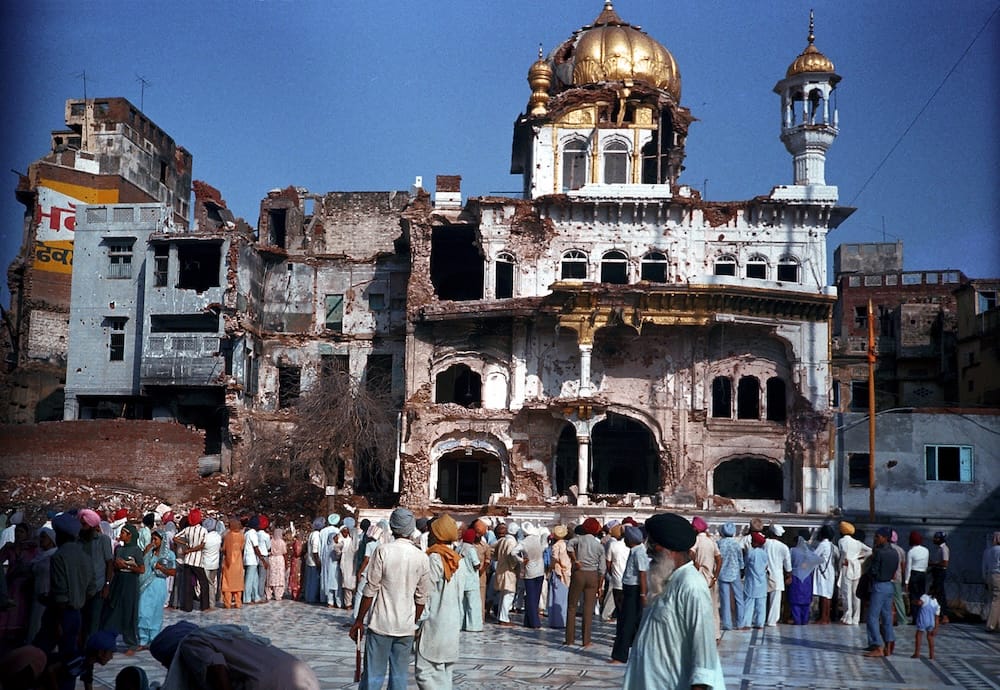
In 1984, the Indian Army stormed the Golden Temple during Operation Blue Star, killing hundreds. Months later, Indira Gandhi was assassinated by her Sikh bodyguards, triggering anti-Sikh riots organized by the government in which thousands of innocent Sikhs were killed. Sikh militants later assassinated General Arun Kumar Vaidya (army chief who had overseen the storming of the Golden Temple) and Punjab Chief Minister Beant Singh before the violence largely subsided by the mid-1990s. However, the operation included torture, extrajudicial and custodial killings, enforced disappearances, and secret cremations which went far beyond their initial purpose of eliminating only terrorists which Jaswant Khalra later discovered.
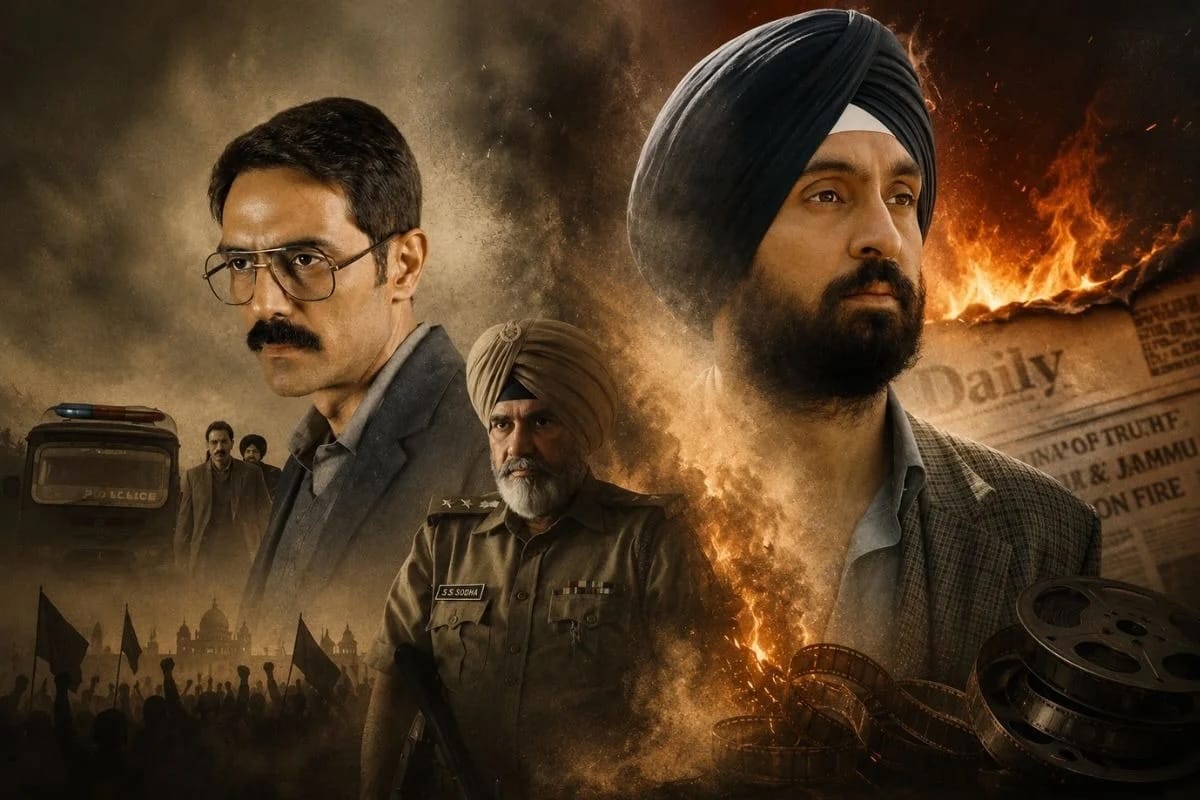
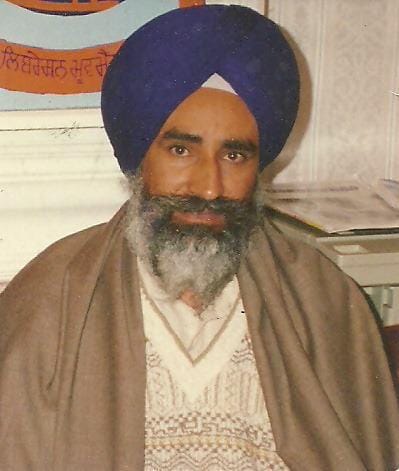
Satluj, named after one of Punjab's five rivers, tells the true story of Jaswant Singh Khalra, a banker turned human rights activist. Written by Honey Trehan, Niren Bhatt and Utsav Maitra, it focuses on Khalra's campaign reporting on the large number of disappearances (25,000 according to his research), in which the police would pick up young Sikh men considered to be Khalistani terrorists, kill them, and secretly cremate their bodies or dump them into rivers and canals. Police officers are rewarded with cash incentives and promotions for killing the designated terrorists, creating a system that turns a war against terrorism into a mass-murder spree without due process or remorse. Khalra also discovered about 3,000 Punjabi policemen had "disappeared" that had refused to partake in the killings.
He writes to the government for an enquiry and even raises the issue on international platforms, but the state police are openly hostile and the political establishment is slow to move. One morning, Khalra is picked up from his home and disappears, finally prompting action from the Indian government with protests erupting throughout Punjab. He was presumed tortured and murdered based on a later court testimony, though his body was never found. Following his death, his wife, Paramjit Khalra, leads the fight for justice, resulting in a Delhi led CBI investigation and the conviction of six police officers, who are now serving life sentences for his murder.
It didn't take me long to find the film online. I'm usually reluctant to watch Bollywood or Punjabi films because most of them are romantic comedies or musicals for escapism, however, Satluj avoids that path. It's comparable to the brave, gritty dramatic films from Iran and South Korea that depict ordinary people finding themselves thrust into extraordinary circumstances.
The story unfolds with a balanced rhythm of slow building tension, explosive savage violence and moments of tenderness and reflection, making the 164 minute saga engaged and relentless. Trehan deftly handles the complex, politically sensitive material with ease, making it a film that appeals beyond Punjab's borders with the universal theme of governments abusing their power. The cast performs brilliantly, perfectly cast for each role, while Diljit's understated, measured performance portraying Khalra shines. Trehan also reveals the mindset of Punjab's police officers who actually believed they were helping the state become safe again by terminating thousands—guilty or not.
India’s censor board has made no recent announcement about the film, meaning it remains blocked. Although their decision turned Satluj into a viral phenomenon that no marketing campaign could have matched, it has not explained why the film was stopped beyond vague references to security concerns. The lack of transparency risks making the Modi regime appear complicit, even though the disappearances occurred under the Congress led party in the 1980s and 90s.
Ultimately, Satluj reminds us that history has a way of repeating itself. When those in power abuse their authority and justice is ignored, ordinary people pay the price. Governments leaning towards authoritarianism cannot be expected to take kindly to such a film, but as long as those problems continue, the film's message will remain as relevant today as it was decades ago.
Watch The Trailer
Satluj Trailer
Watch The Film
Satluj Film
Punjab Now and Then Newsletter
Join the newsletter to receive the latest updates in your inbox.