A Mother's Journey From Punjab to Cali | Part 1 of 3
Here is part 1's excerpt from my book about my mother's journey from her home in Punjab to start a new life with my father in America.
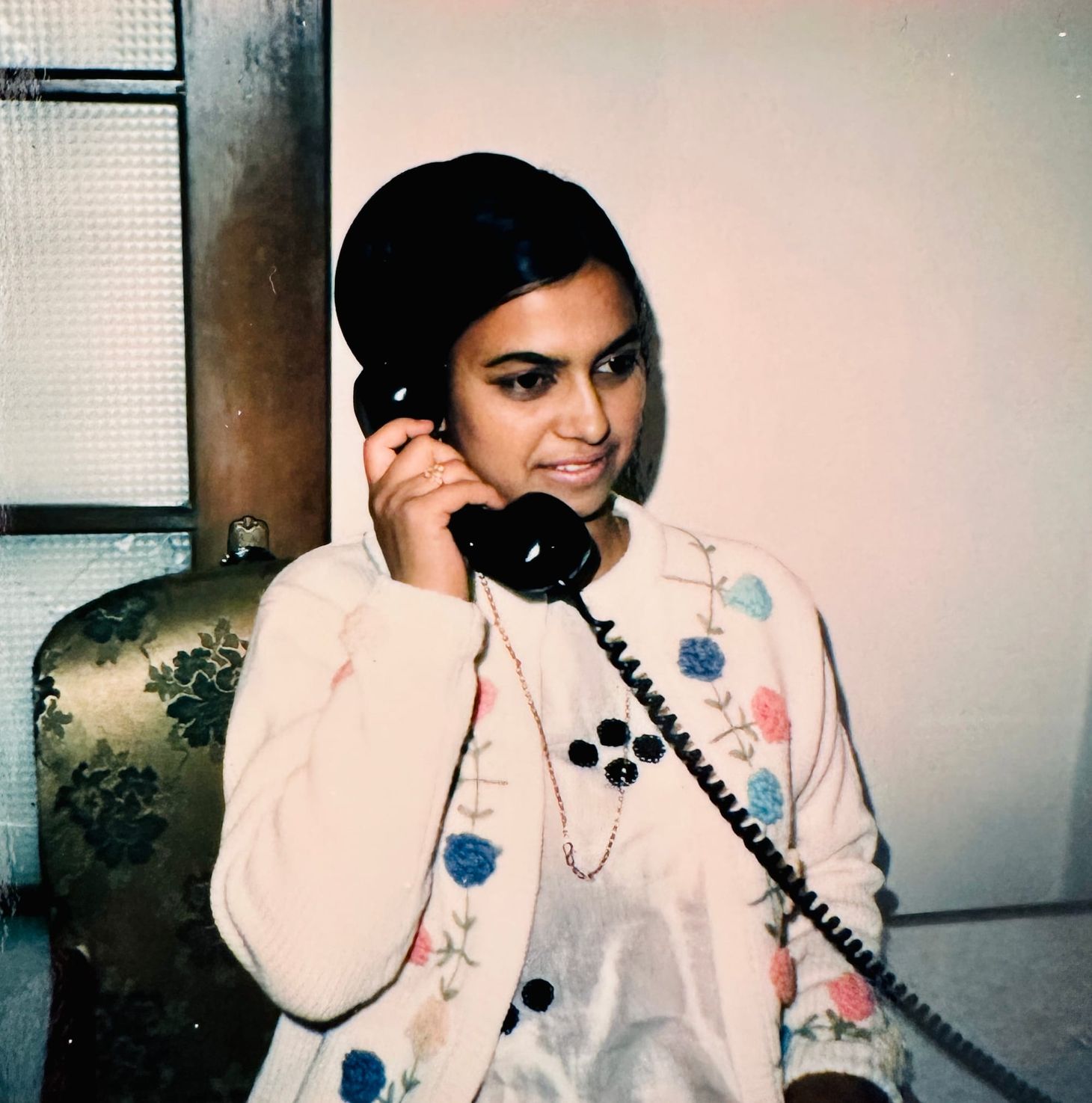
In 1969, my parents were married. He was twenty-four, and she was twenty-two. It was an arranged marriage, but when they were first introduced, they realized they had seen each other before. My father and his friends were standing outside his home in Jalandhar when my mother, who was in town for a family wedding, walked by with her friends. She caught my father’s eye, and he shouted something flirtatious. My mother and her friends, outraged by his audacity, ignored him, and walked on. A few years later, their parents met without their knowledge to discuss a possible marriage. My parents agreed to meet, and as soon they locked eyes, they recognized each other—sometimes, timing is everything.
Even though my father was already a successful professional, with an additional income stream from his two books, he still lived at home with his parents, which was common then for adult children in India, especially daughters, who never left home until they were married. So, my mother moved in to her in-laws home, another typical arrangement in India. Rarely would a husband and wife leave this multigenerational family structure, though they could add additional living quarters for themselves. The father/father-in-law would make all the major decisions for the entire family, and the mother/mother-in-law would run the household, so it was critical for a new bride to get along with her mother-in-law.
Unfortunately for my mother, she did not get along with hers. Their values collided immediately—my mother had a college degree, a rarity for any woman then, while her mother-in-law was stuck in the past, threatened by my mother’s modern, progressive outlook. My grandmother dismissed most of her maids and turned her college-educated daughter-in-law into her new all-around servant. My mother was tasked with the cooking, cleaning, and laundry for everyone in the household (which included her new husband's sister and three brothers), chores that consumed all of her waking hours. Knowing that my father came from a wealthy, respected family, like her own, my mother had expected to live in relative comfort after she was married, so she was completely blindsided by the relentless manual labor that left her constantly exhausted and demoralized. But she was still getting to know her husband, so she kept her struggles to herself and never uttered a word of complaint. He spent his days at the university, and if he noticed her daily exhaustion, he never mentioned it to my mother.
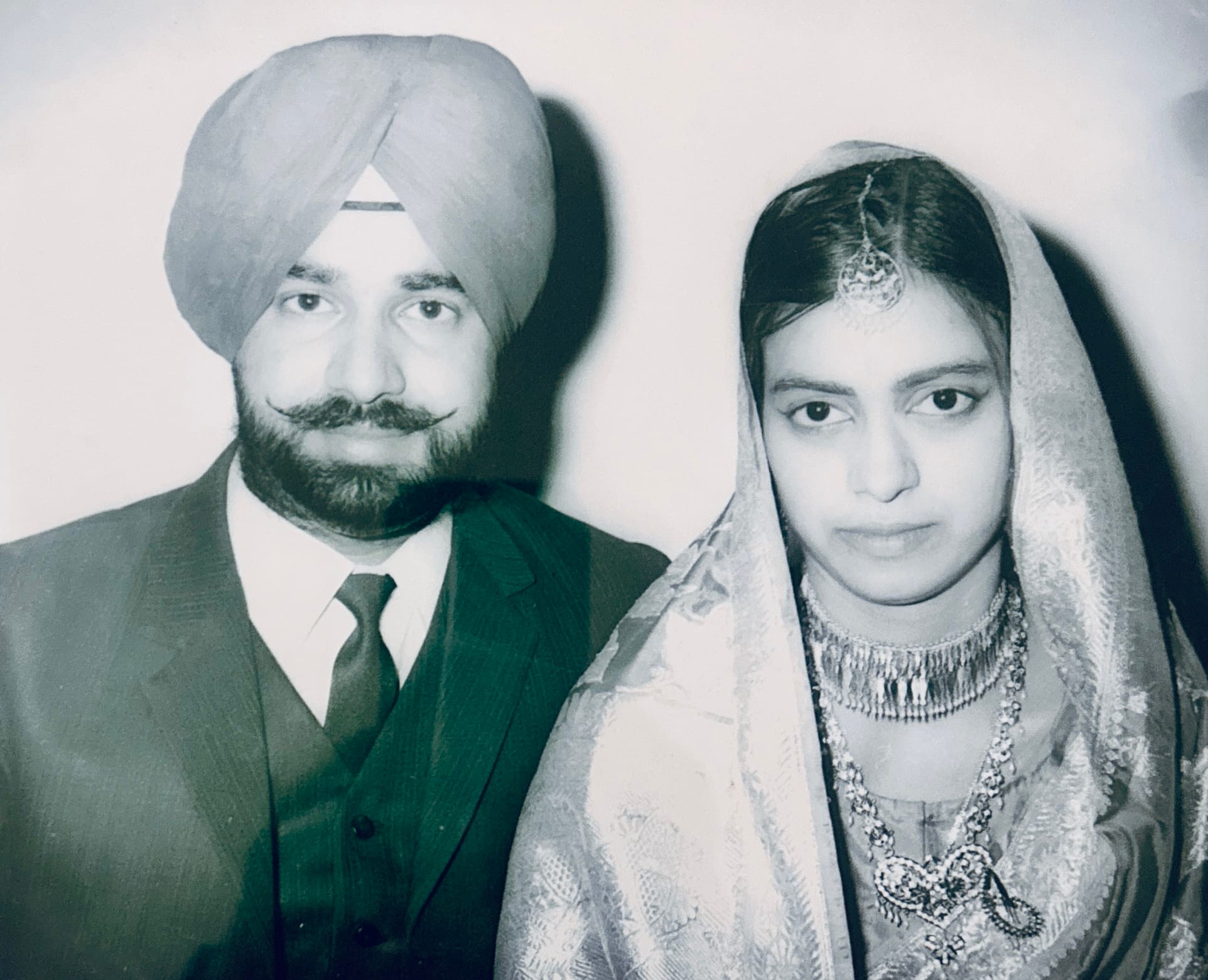
In early 1970, my mother found out she was pregnant, but her mother-in-law made no adjustment to her rigorous workload. The only respite from her chores came when she traveled to her father’s home in Panipat to deliver her first child (a common arrangement for the delivery of the first born) in July of 1970. But as soon as she returned Jalandhar, she returned to her household chores, with the added burden of an infant to care for; there was no respite or support, even for a new mother. All the while, my father seemed unaware of how much his wife was suffering, and even if he had been aware, there was little he could do. It would be disrespectful to defy his father, and his young family would be disgraced if they were forced to live somewhere else. In the well-off, respectable Indian society my family inhabited, no one dared to challenge their parents’ authority.
Meanwhile, a friend and fellow professor at Lyallpur told my father that he was moving to California and volunteered to sponsor my father if he was interested in applying for a visa. My mother had always dreamed of living elsewhere, beyond the patriarchal structure in India. Now that she was a bride and her limited opportunities had become drastically narrower, she jumped at the chance to move to the US. But she wondered why my father would be so willing to abandon his prestigious career, his excellent reputation, and all the comforts of family and home. “Why would you leave when you have everything here?” she asked him when he came home with the news that his visa had been approved. “We can’t live like this. This is not the life you deserve,” he replied.
She was shocked. In their nearly two years of marriage, he had never said a word about her predicament, and now he was volunteering to give everything up and move halfway across the world for her. Tears sprang into her eyes as she realized what this meant: her husband loved her, and they were going to start a new life together. That is, as soon as she and her son received visas as well. In the meantime, they would have to stay with her in-laws, hoping and waiting.
Part 2 Coming
Punjab Now and Then Newsletter
Join the newsletter to receive the latest updates in your inbox.