The Rise and Fall of Banda Singh Bahadur | Part 2 of 3
Here is the second excerpt from my book about the legendary Sikh warrior Banda Singh Bahadur.
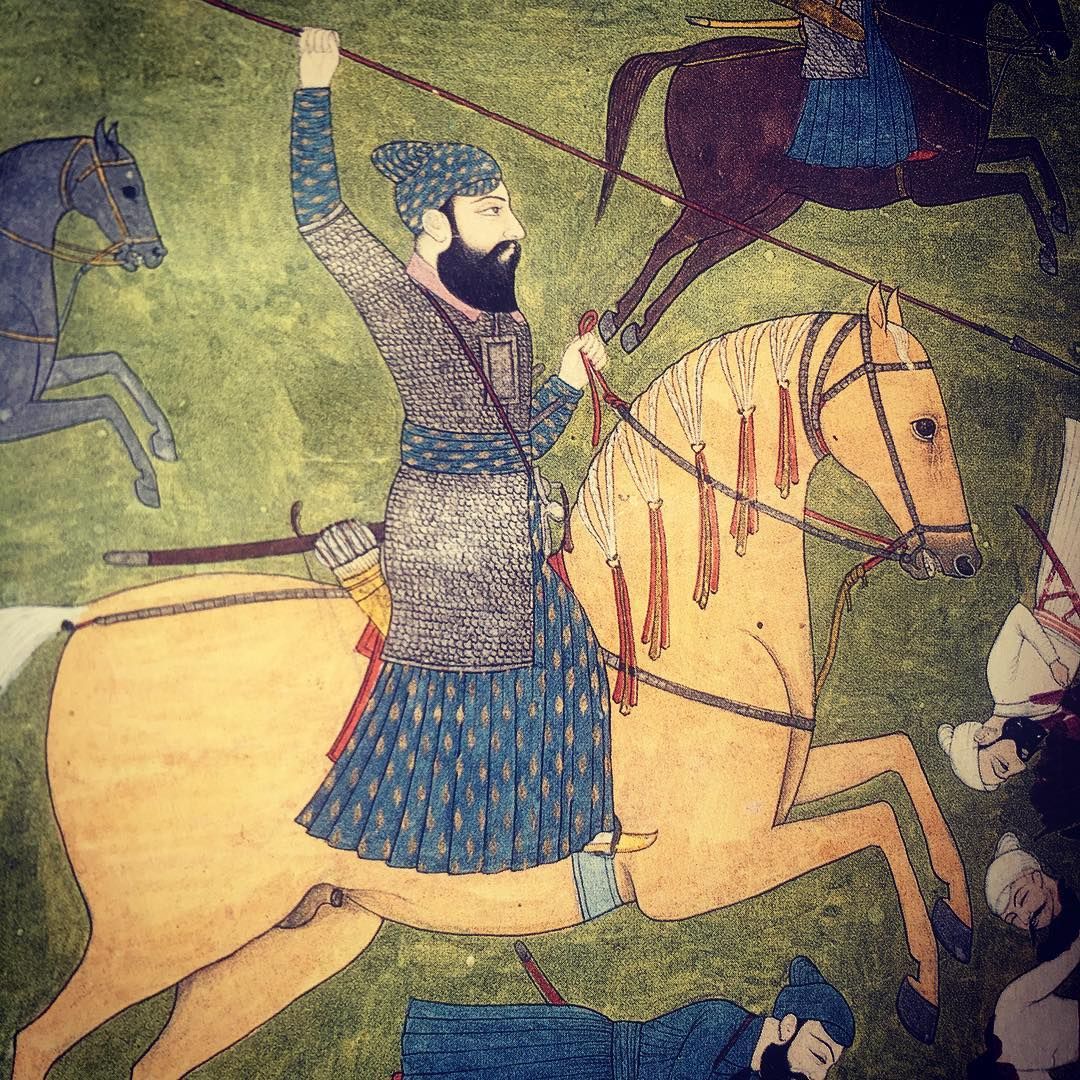
Here's part 1 of this series.
In 1709, Banda officially announced himself to the Mughals by routing the unsuspecting city of Sonipat, just north of Delhi. Banda looted the state treasury and the homes of the wealthy, sharing the spoils among his men. Emboldened by his victory, many more joined Banda’s call as he marched 120 miles north to Samana, the home of the executioners of the ninth Sikh guru, Guru Tegh Bahadur. Banda’s forces quickly overwhelmed the city and, after three days of carnage, left thousands dead in the streets and the city a smoking ruin.
Banda quickly became unstoppable, capturing several more Mughal strongholds throughout the Malwa region between the Sutlej and Yamuna Rivers (the Sutlej is considered the southeast border of Punjab; the Yamuna runs further east near Delhi). Banda and his men showed no mercy as they ferociously sacked city after city, their shock tactics stunning the Mughal forces each time. A century later, British military officer Sir John Malcolm in India wrote of Banda's army: “Every excess that the most wanton barbarity could commit, every cruelty that an unappeased appetite of revenge could suggest, was inflicted upon the miserable inhabitants of the provinces through which they passed. Life was only granted to those who conformed to the religion and adopted the habits and dress of the Sikhs.”