What Can Maharaja Ranjit Singh Teach Modern Leaders?
Learn what Maharaja Ranjit Singh, the founder of the Sikh Empire, can teach the leaders of today.
Leadership books usually look to famous CEOs, politicians, and celebrities for lessons on success.
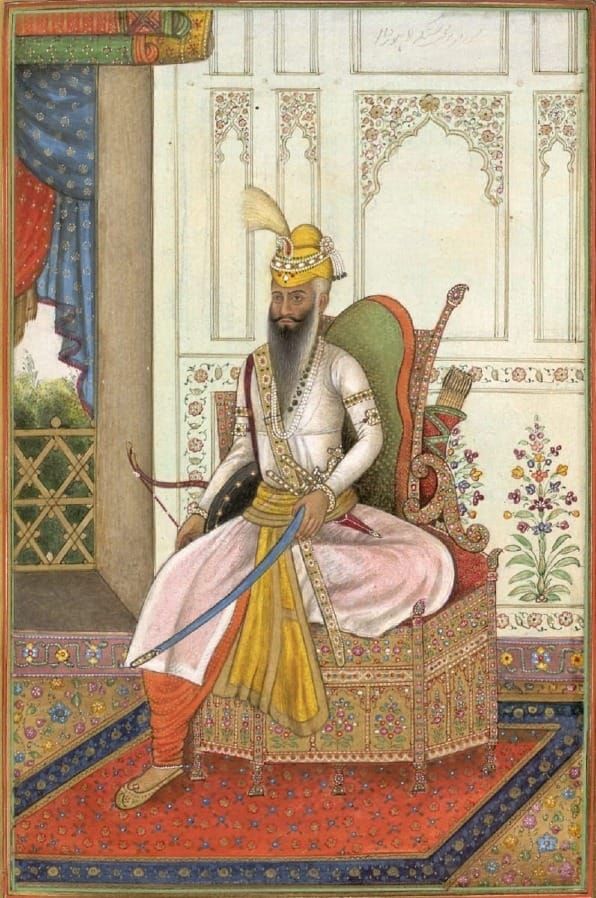
Yet one of history's most remarkable leaders is often overlooked outside South Asia: Maharaja Ranjit Singh, the founder of the Sikh Empire.
Rising from a landscape of competing factions in the late eighteenth century, Ranjit Singh united Punjab into one of the most powerful empires in Asia based on a foundation of tolerance and innovation. It stretched from the Khyber Pass to the borders of Tibet, halted centuries of Afghan invasions into Punjab, and remained independent of British rule during his lifetime.
More than 180 years after his death, the leadership principles that guided Ranjit Singh remain just as relevant today as they did then.
Build Unity Around a Shared Vision
When Ranjit came to power, Punjab was divided among numerous Sikh misls, or confederacies, that often competed with one another. Rather than accepting permanent division, he envisioned a unified Punjab strong enough to withstand external threats and internal instability.
Modern leaders face similar challenges. Whether managing a company or government, success often depends on bringing together groups with competing interests. Ranjit understood that people are more willing to work together when they believe they are part of something larger than themselves. Great leaders unite people around a common purpose rather than allowing differences to drive them apart.
Hire Talent, Not People Who Are the Same
One of Ranjit's greatest strengths was his willingness to recruit talent wherever he found it. His administration included Sikhs, Hindus, Muslims, and Europeans. He appointed individuals based on competence, character and loyalty rather than religion, ethnicity, social status or blood lines.
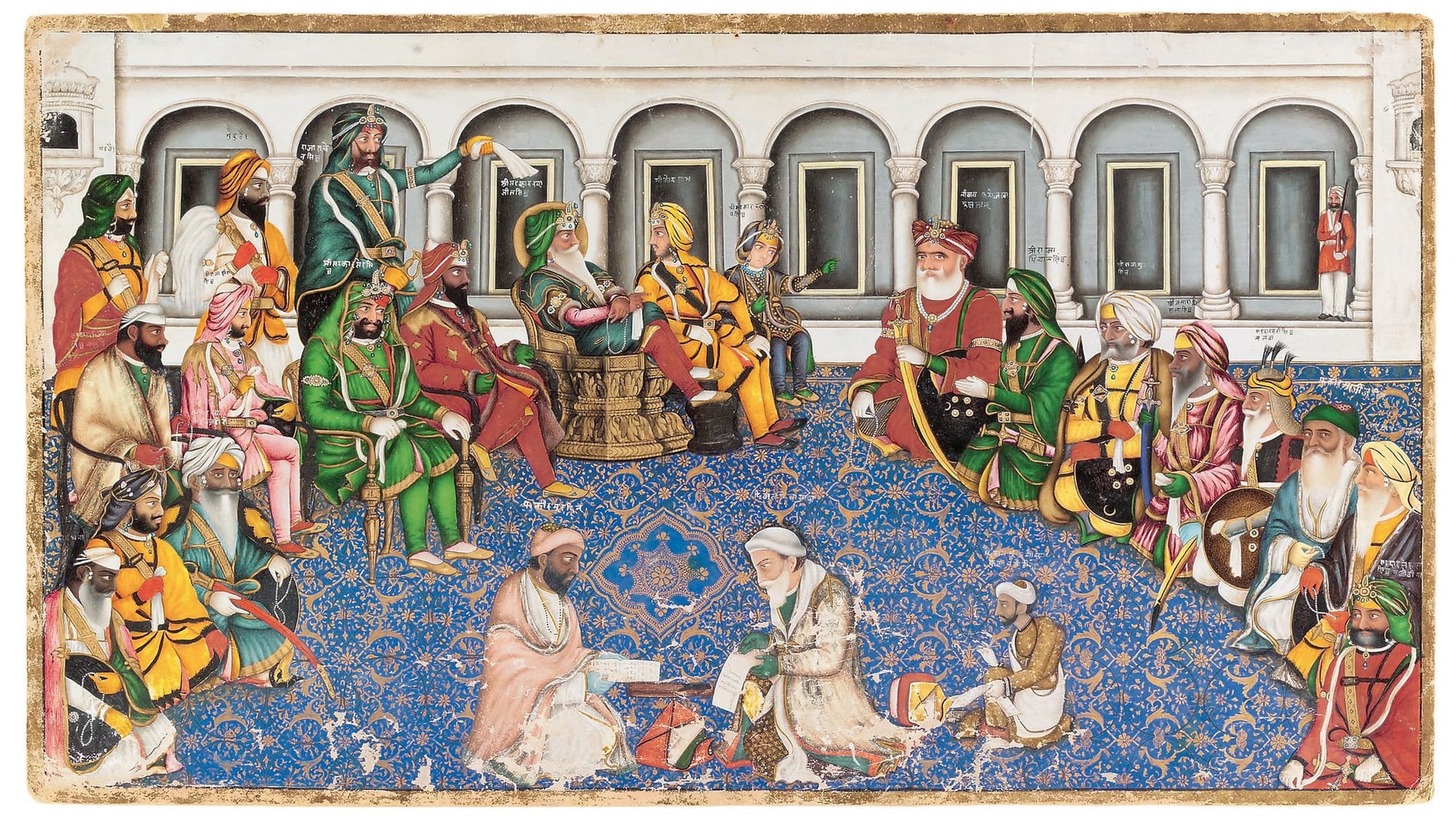
This approach was unusual in the nineteenth century and certainly remains a lesson for leaders today. Strong organizations are built by diverse teams with different perspectives and experiences. Leaders who surround themselves only with people who think like them, agree with them, often create blind spots.
Stay Humble Despite Success
Despite ruling one of the most powerful kingdoms in Asia, Ranjit Singh maintained a reputation for humility. He often presented himself as a servant of the state rather than its master, his attire and outlook grounded with the attributes of the common man, not a pampered, pompous king.
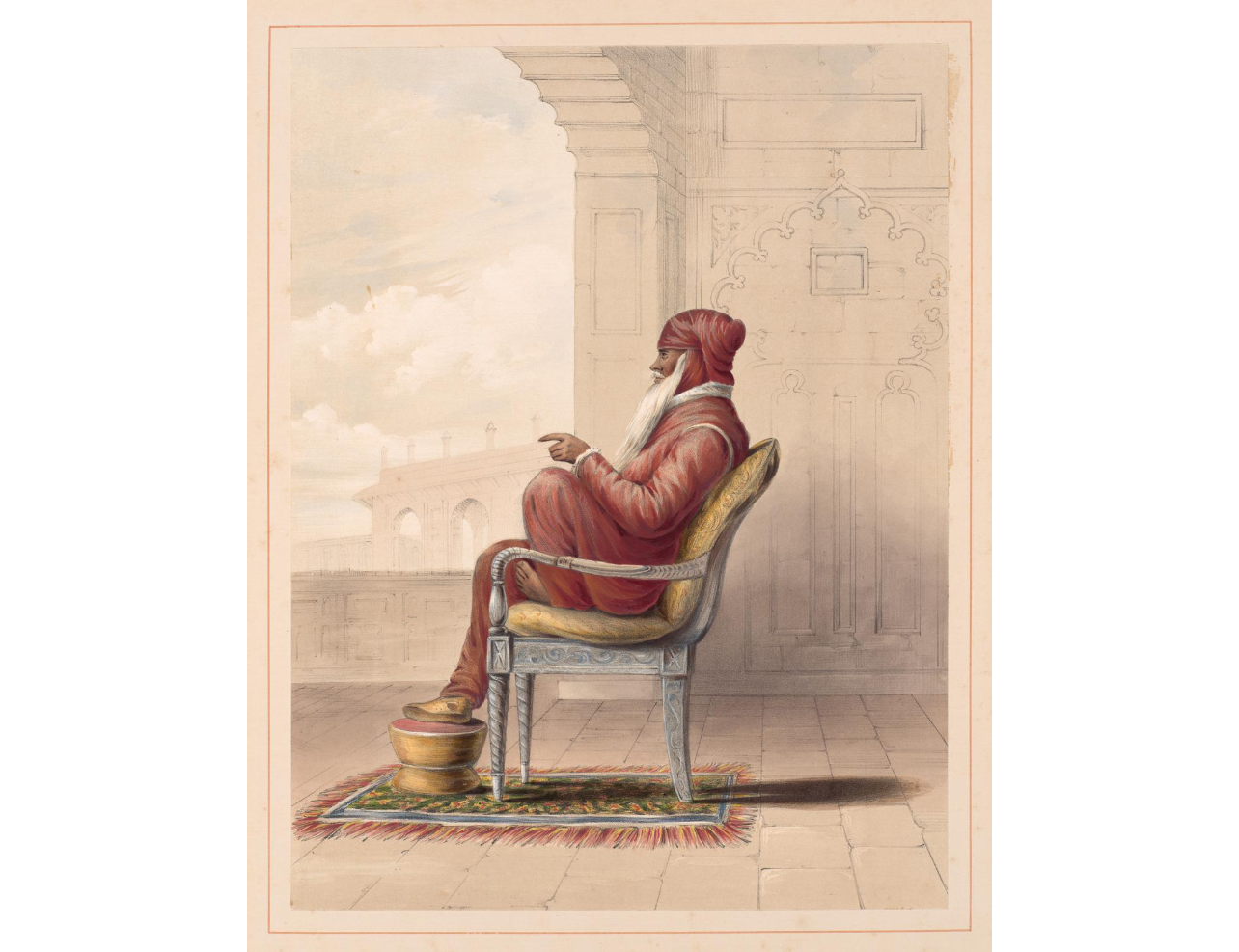
Modern leadership is often associated with status, titles, and personal branding. Ranjit's example suggests the opposite—the most respected leaders are often those who remain grounded, approachable, and focused on their mission rather than their image.
Adapt to Change Because Nothing is Permanent
Ranjit was a skilled military leader, but he understood that past victories did not guarantee future success. He modernized his forces by incorporating European training methods, artillery, and military organization. Rather than relying on tradition, he embraced innovation when it strengthened his kingdom, opposing even those within his own court and army who resisted the change.
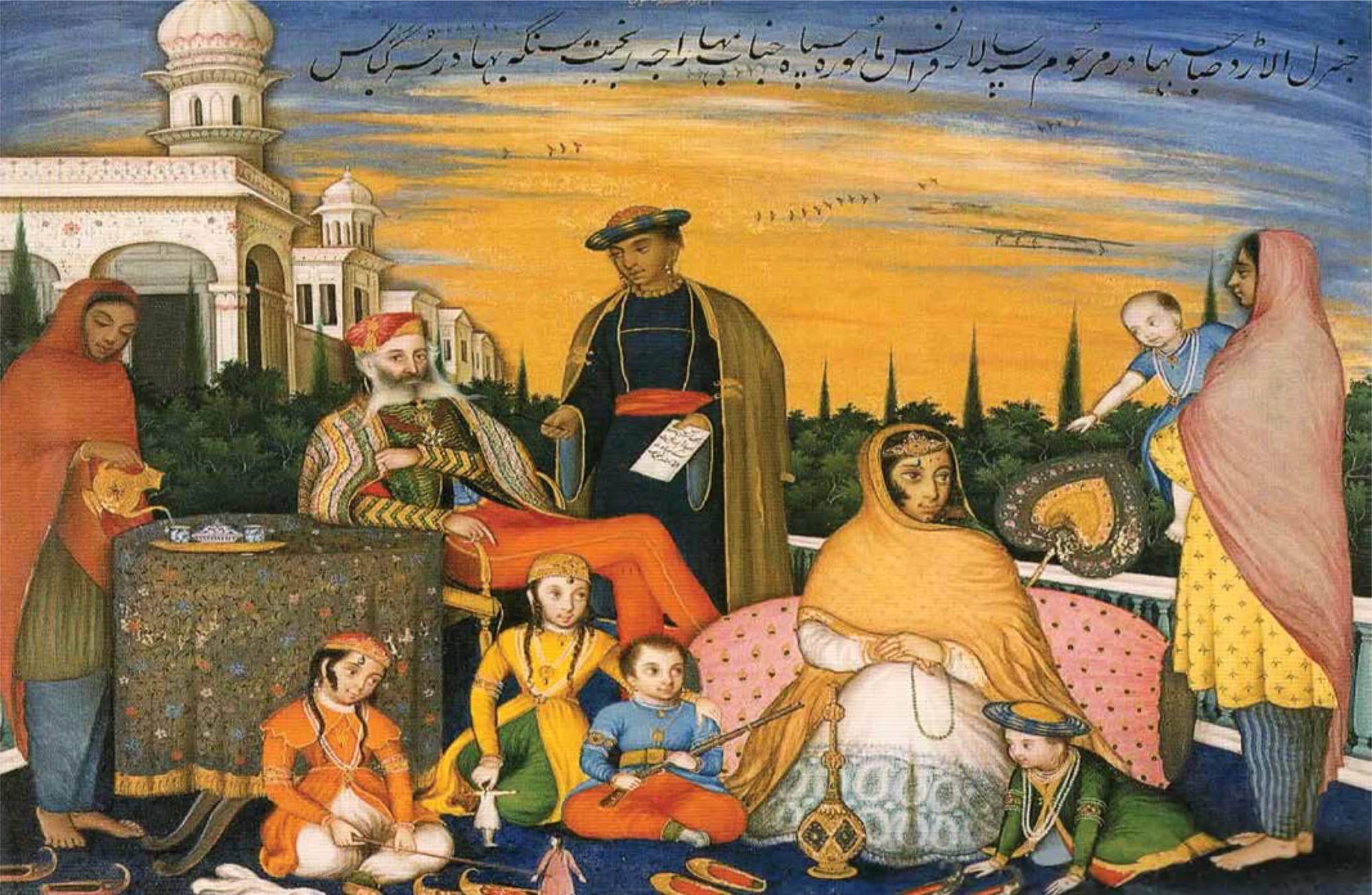
Today's leaders operate in a world defined by rapid technological and economic change. The organizations that thrive are often those willing to learn, adapt, and evolve. Ranjit showed that preserving core values does not mean resisting progress, but allowing them to grow because nothing is permanent.
Lead Through Religious Tolerance
Although he was a devout Sikh, Ranjit Singh governed a diverse population with remarkable religious tolerance, a founding principle and core tenet of his empire. He supported Sikh gurdwaras, Hindu temples, and Muslim shrines alike. He also established Farsi, a Persian language, as the court's official state language because everyone was familiar with it. His administration reflected the reality that a unified society depends on fairness and respect for different communities so they can flourish together rather than apart.
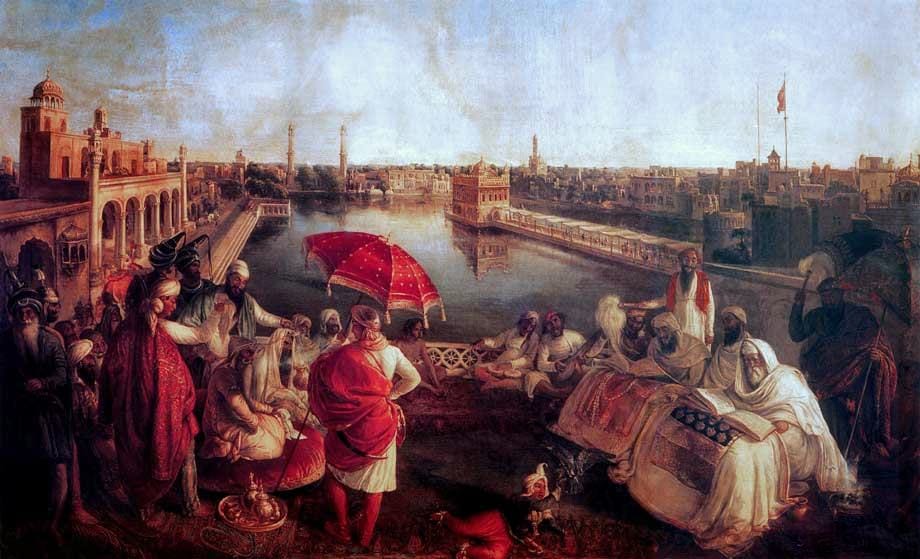
In an era increasingly marked by polarization and intolerance, this lesson certainly remains relevant today. Effective leaders recognize that inclusion is not merely a moral principle; it is a practical strategy for creating trust and long-term stability.
Think Beyond Your Lifetime For a Lasting Legacy
Perhaps the most important lesson from Ranjit's life is the importance of building institutions rather than short-term gains for personal power. While his leadership transformed Punjab, the instability that followed his death showed how difficult it is for any organization to survive without strong systems and succession planning—his empire was annexed by the British East India Company a mere ten years after his death.
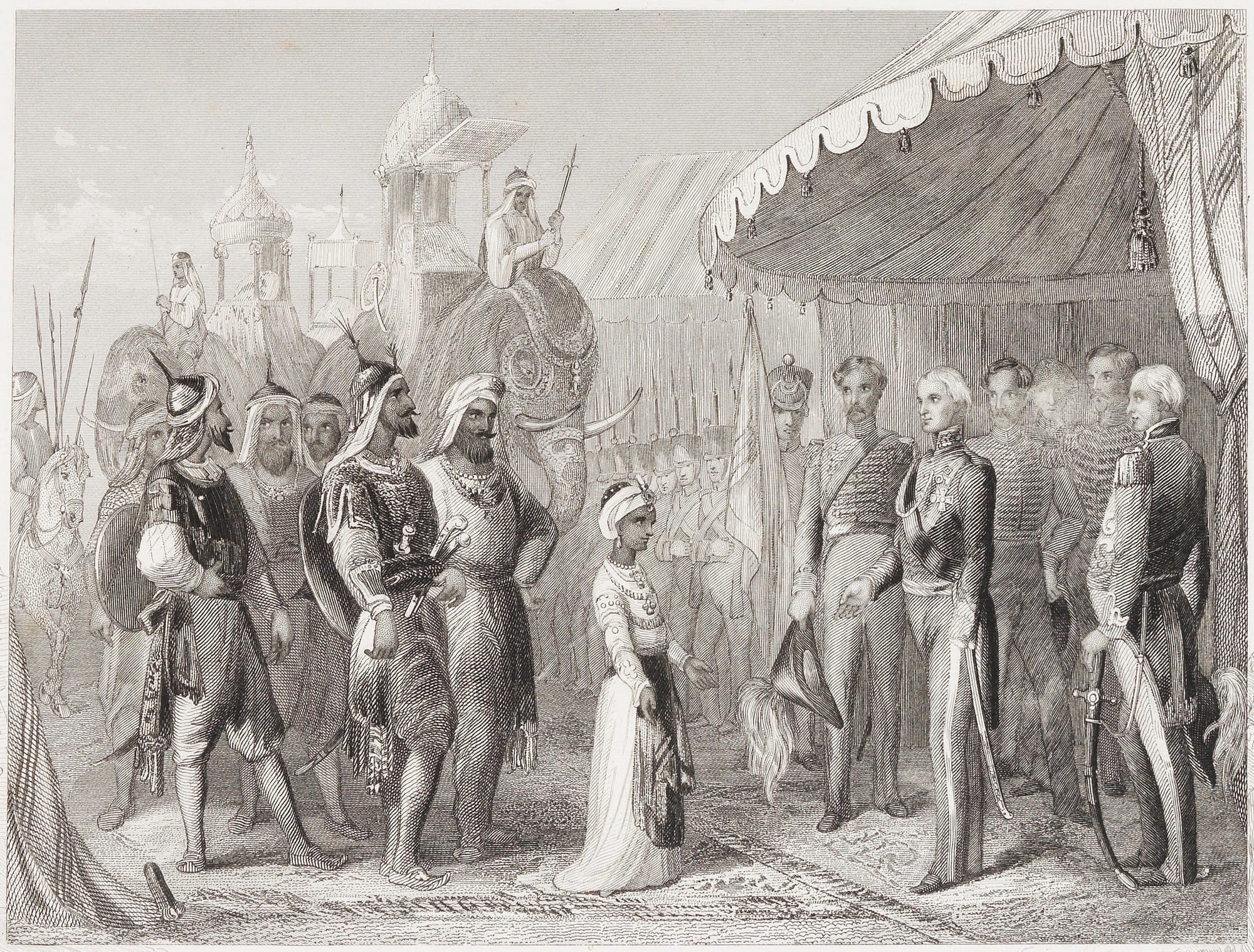
Many modern leaders focus on short-term achievements, quarterly results, or immediate recognition. The greatest leaders think about what will remain after they are gone—they invest in people, culture, and institutions that can endure beyond their own tenure.
The Legacy of the Lion of Punjab
Maharaja Ranjit Singh's achievements were extraordinary. Scarred by smallpox, blind in one eye, and lacking a formal education, he built one of the most powerful and tolerant empires of any era. Yet his legacy extends beyond military victories and territorial expansion.
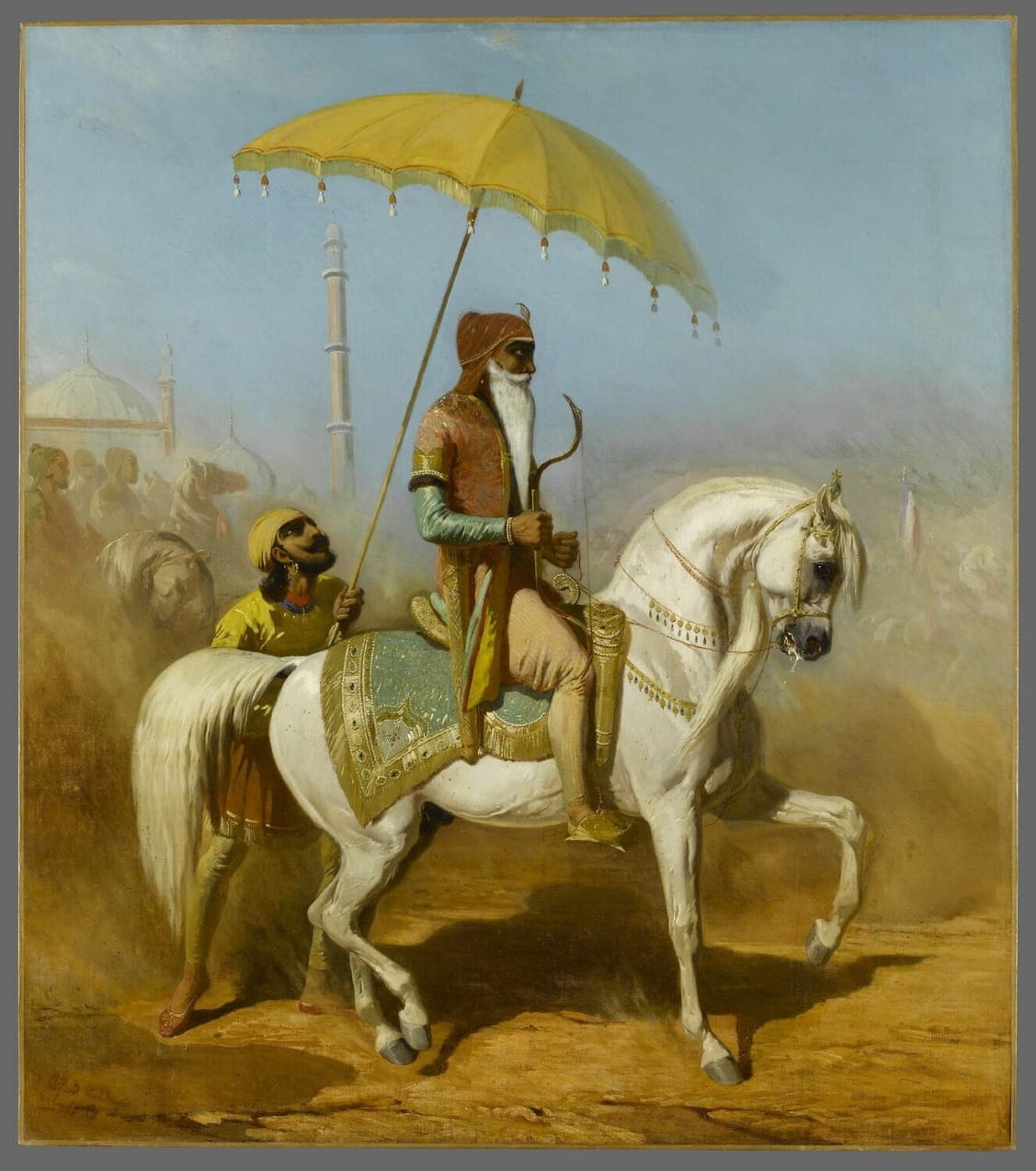
His life reminds us that leadership is ultimately about bringing people together, embracing talent wherever it exists, adapting to change, and serving a purpose larger than oneself. In a world searching for effective leadership, the lessons of the Lion of Punjab remain as relevant today as they were two centuries ago.
Punjab Now and Then Newsletter
Join the newsletter to receive the latest updates in your inbox.