A Mother's Journey From Punjab to Cali | Part 3 of 3
Here is part 3's excerpt from my book about my mother's journey from her home in Punjab to start a new life with my father in America.
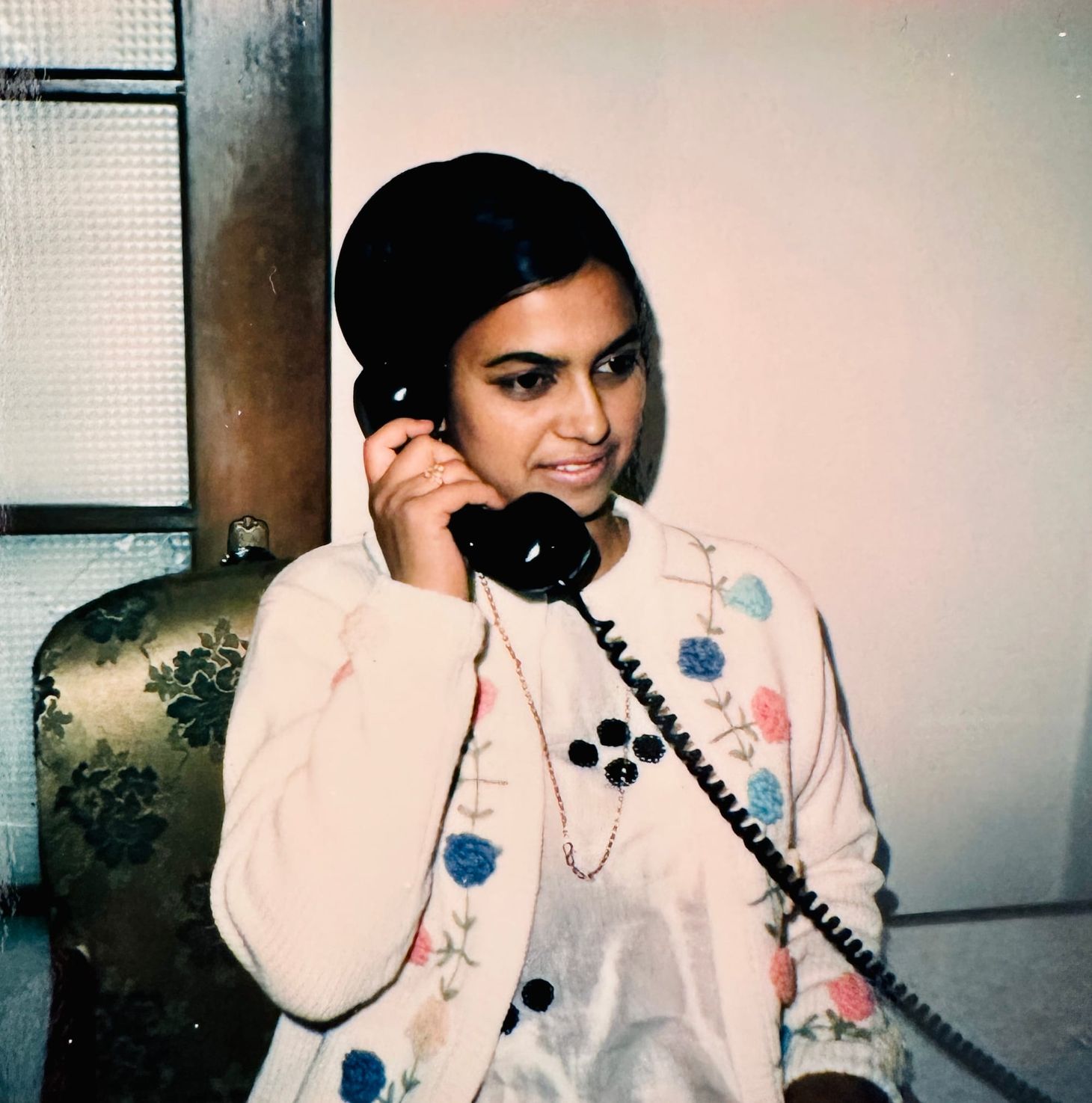
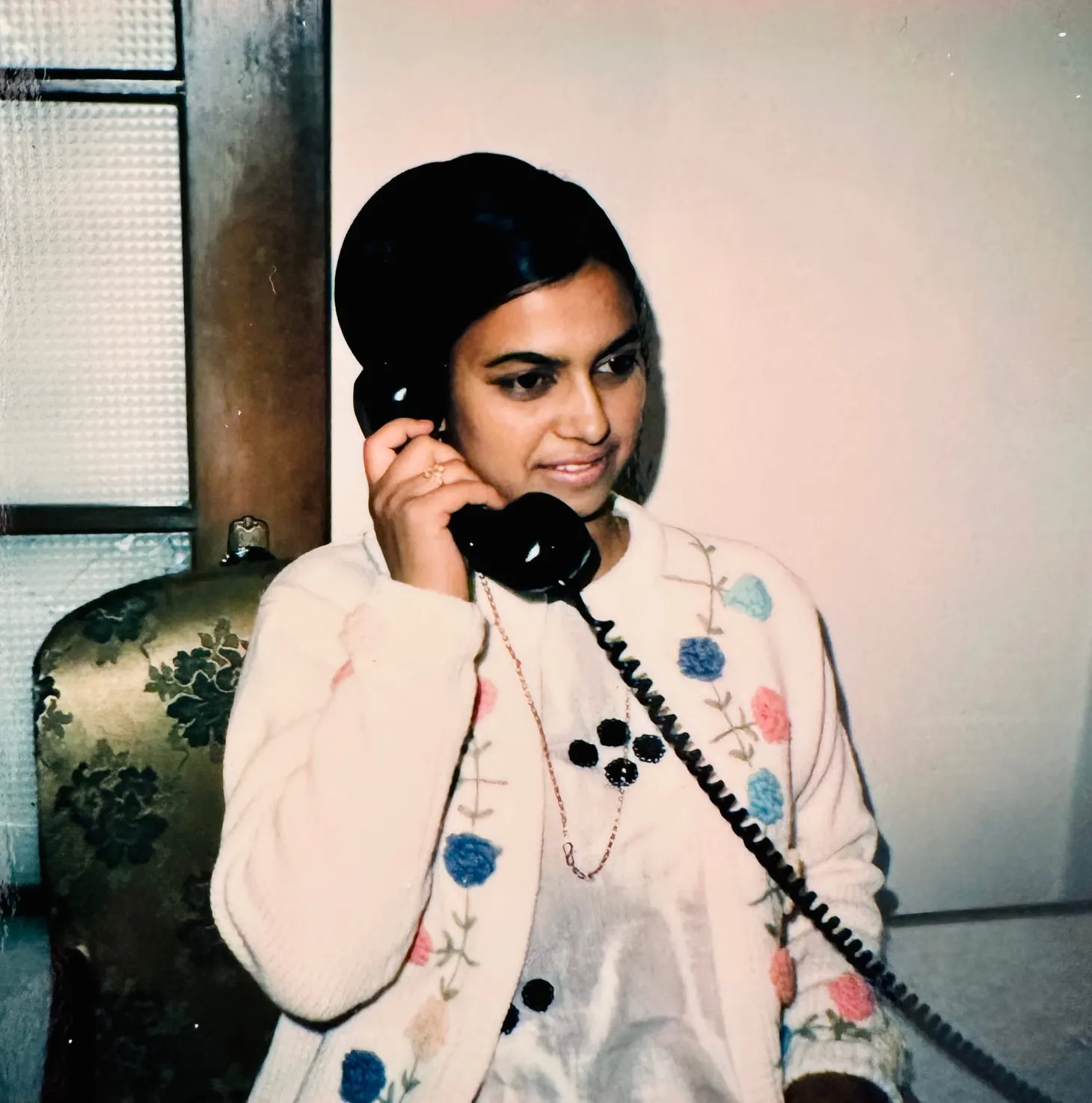
Twenty hours later, she landed at San Francisco International Airport. She was exhausted, bedraggled, and ready to be reunited with her husband and whisked to her new home for chai, a bath, and a long nap. However, a joyous reunion with her husband wasn’t meant to be—the telegram she'd sent to confirm her arrival was never delivered. Thus, the husband whom she hadn’t seen in seventeen months was not at her gate when she made her way off the plane. She waited for an hour, pacing with her son asleep in his stroller, peering anxiously at the silhouette of every man who approached, her heart sinking each time her eyes locked on an unfamiliar face. Maybe he would meet her in the baggage claim, she thought, so she headed downstairs, but after she had collected their one suitcase (she traveled light because her in-laws wouldn’t allow her to take more than the bare necessities), there was still no sign of her husband.
Her son was awake now and full of all the complaints that she did not let herself voice: he was hungry; he was thirsty; he wanted to go home. She called her husband from a payphone, dialing the number again and again, trying to fight the rising tide of panic, but no one answered. She finally gave up, and in a cloud of confusion, worry, and dread, managed to find her way to a taxi. She had $16, just enough to cover the $14 fare to my father’s apartment in Emeryville. The taxi sped her through a strange land, alone with her small son and already adrift, but when the Pacific appeared, with its endless deep blue stretching toward the horizon, for a moment, her fears were forgotten. She had never seen an ocean before, and she was transfixed.
It was late afternoon when the taxi left my mother, her two-year-old, and their suitcase outside my father’s apartment. She rang the bell, knocked on the door, and waited. As the minutes passed with no answer, she felt a surge of whirling panic rising from within, but one glance at her son and she knew she had to remain calm for his sake. Totally at a loss, my mother lugged her suitcase and toddler to a nearby corner grocery store. She asked the clerk if he knew her husband, and the clerk nodded. He had seen my father and his friends earlier; they seemed to be on their way out. My mother stood out in her bright pink sari, and a Sikh customer in the store greeted her in Punjabi. She felt immediate relief to hear her mother tongue. Fortunately, the man knew her husband; they lived in the same apartment complex. “You can wait at my place. I'll leave a note for him, so he knows where to find you,” he offered.
My mother was desperate enough to ignore the cautioning voices in her head and follow a stranger back to his apartment. She was relieved when he let them in and then made himself scarce. “But please, make yourself at home,” he said as he let himself out. Ragged with exhaustion and fear, my mother decided to take him at his word. She ran a bath, took off the sari that she had donned two days earlier with so much hope in her heart, undressed her son, and then sank with him into the warm water. The bath—finally something timeless and familiar after a day of being battered at every turn by the new and the unknown—revived them both. He splashed and sang, a toddler in his element at last, and my mother allowed her spirits to lift again. Maybe everything would be okay after all.
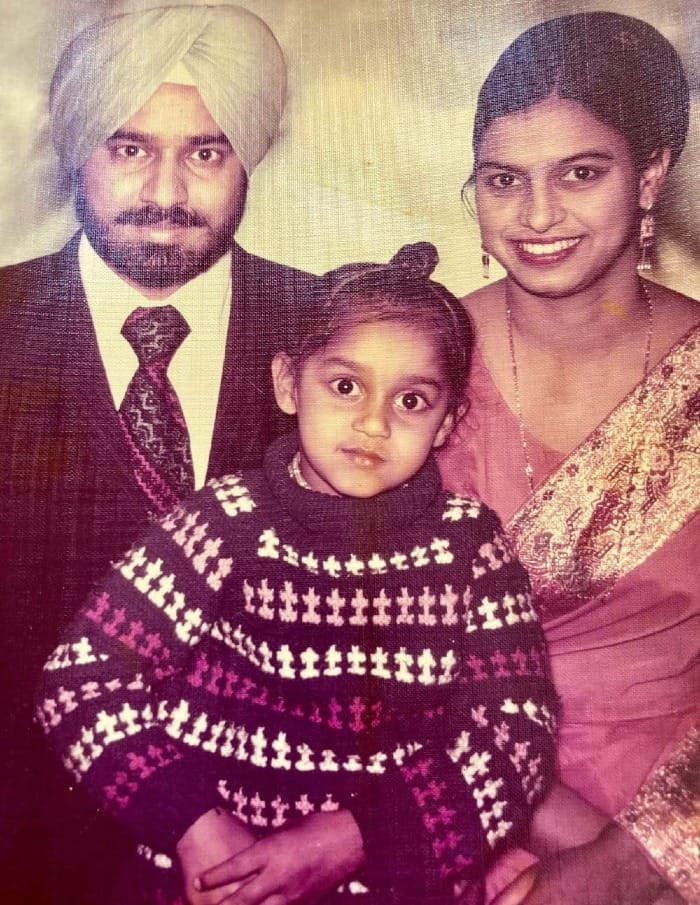
When she heard a knock on the door a few hours later, my mother looked through the keyhole and saw my father’s face. She took a breath before she unbolted the door, trying to collect the cyclone of emotions raging in her chest—relief, fury, regret, joy, anticipation, and dread all battling for primacy. Then she opened the door, and joy triumphed in an unbidden rush as her husband pulled her into his arms. “I'm so sorry,” he whispered, his voice breaking. “I never received the telegram.” “It’s okay,” she whispered back, the tension of the last two years dissolving in his embrace, “we’re together now.” Still clinging to his wife, he grabbed her suitcase with his free hand. At that moment, their young son, who had been only eight months old when his father left home, poked his head into the entryway and shrieked in Punjabi: “That man is taking our luggage!”
My parents dissolved in laughter together, relief flooding them both—they would make a new life together, they decided in a swift, silent promise, and they would be happy. In a few weeks, “that man” had become “Dad,” and my mother was finally on her way to the future she had imagined for herself as an educated young woman—free from the stifling traditions that bound her to servitude in her in-laws' home, free to make her own choices, free to forge her own path in a new world.
Punjab Now and Then Newsletter
Join the newsletter to receive the latest updates in your inbox.