A Visit To Tarn Taran Gurdwara
The lesser known Tarn Taran gurdwara makes for a worthwhile visit.

If you're Punjabi or Sikh or familiar with its culture and history, then you already know about the Harmandir Sahib, leafed in gold, seemingly afloat in its pool of water surrounded by a gleaming white marble square.
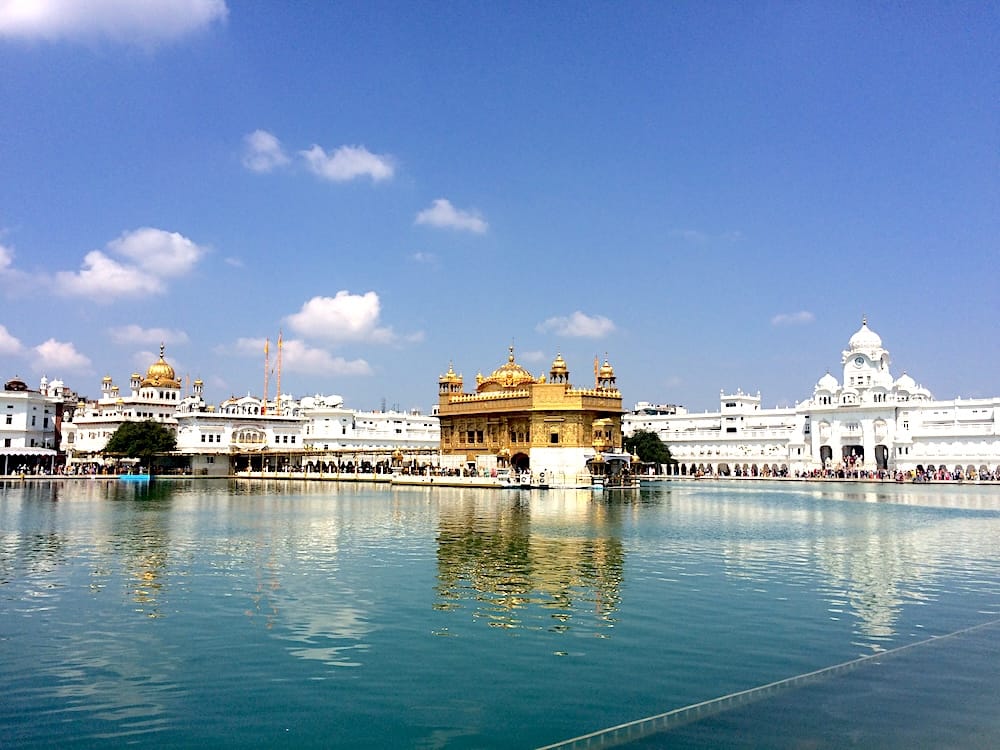
However, there is a lesser-known gurdwara nearby that is equally worthy of a visit, though often overshadowed by the renowned Harmandir Sahib. Here's an excerpt from my book about my visit to Tarn Taran Gurdwara with my father:
We had to walk through a small market of strategically located souvenir shops to get to the gurdwara's entrance, but when we entered the square, it was spare and stunning, the pool stretching far out beneath the hazy gray sky. The market’s clamor faded, and a soothing silence wrapped itself around us. In the distant left corner of the enormous square glistened the golden dome of Tarn Taran, built by Guru Arjun Dev, the fifth Guru, in 1590.
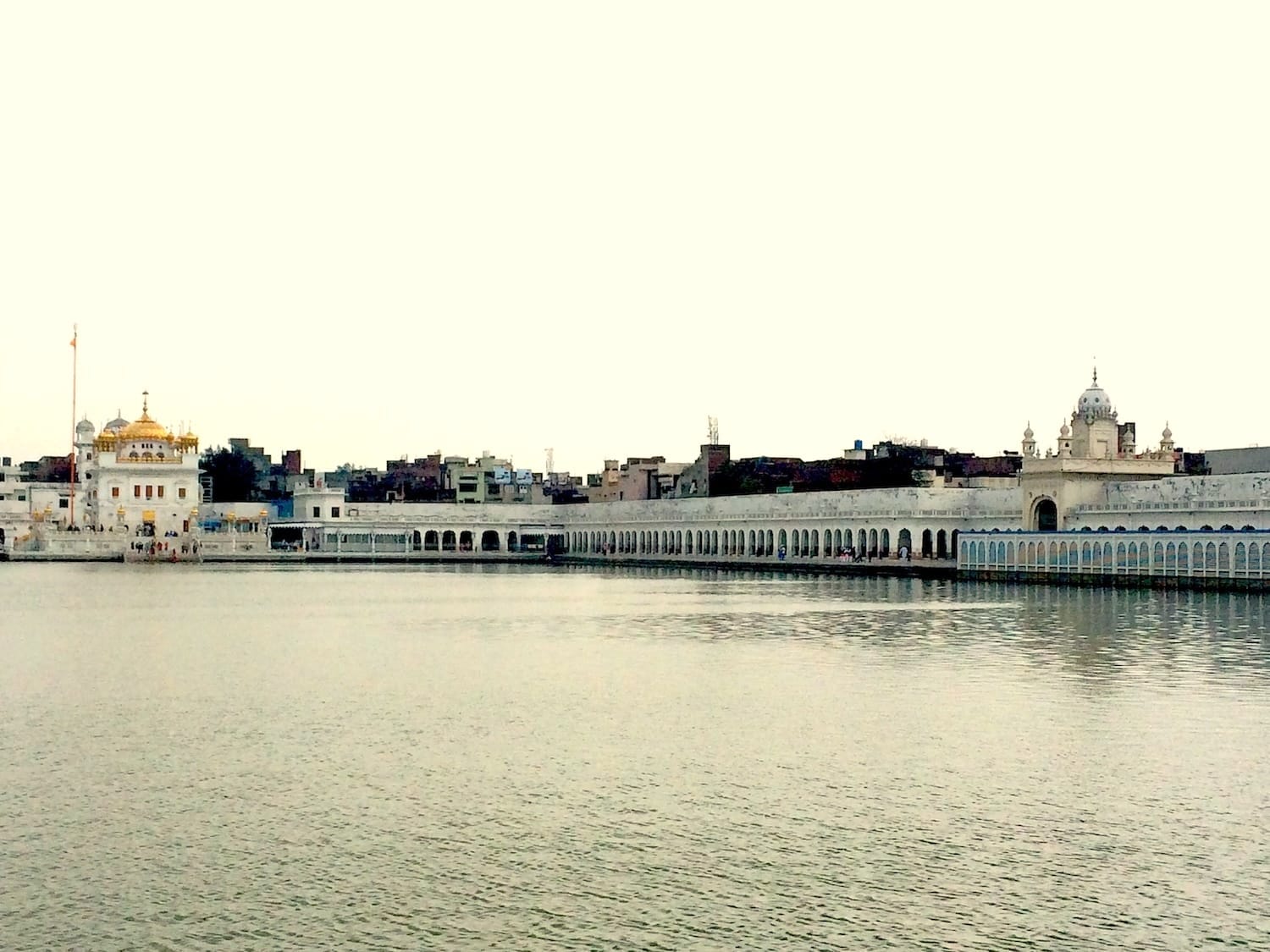
Some years later, Maharaja Ranjit Singh beautified it with sheets of gold; his grandson Nau Nihal Singh wanted to have a tower built at each of the four corners of the square, but he was murdered (or accidentally killed, depending on the source) shortly after the first tower’s construction. Within a few years, the British Sikh Wars commenced, and the tower project was never resumed.
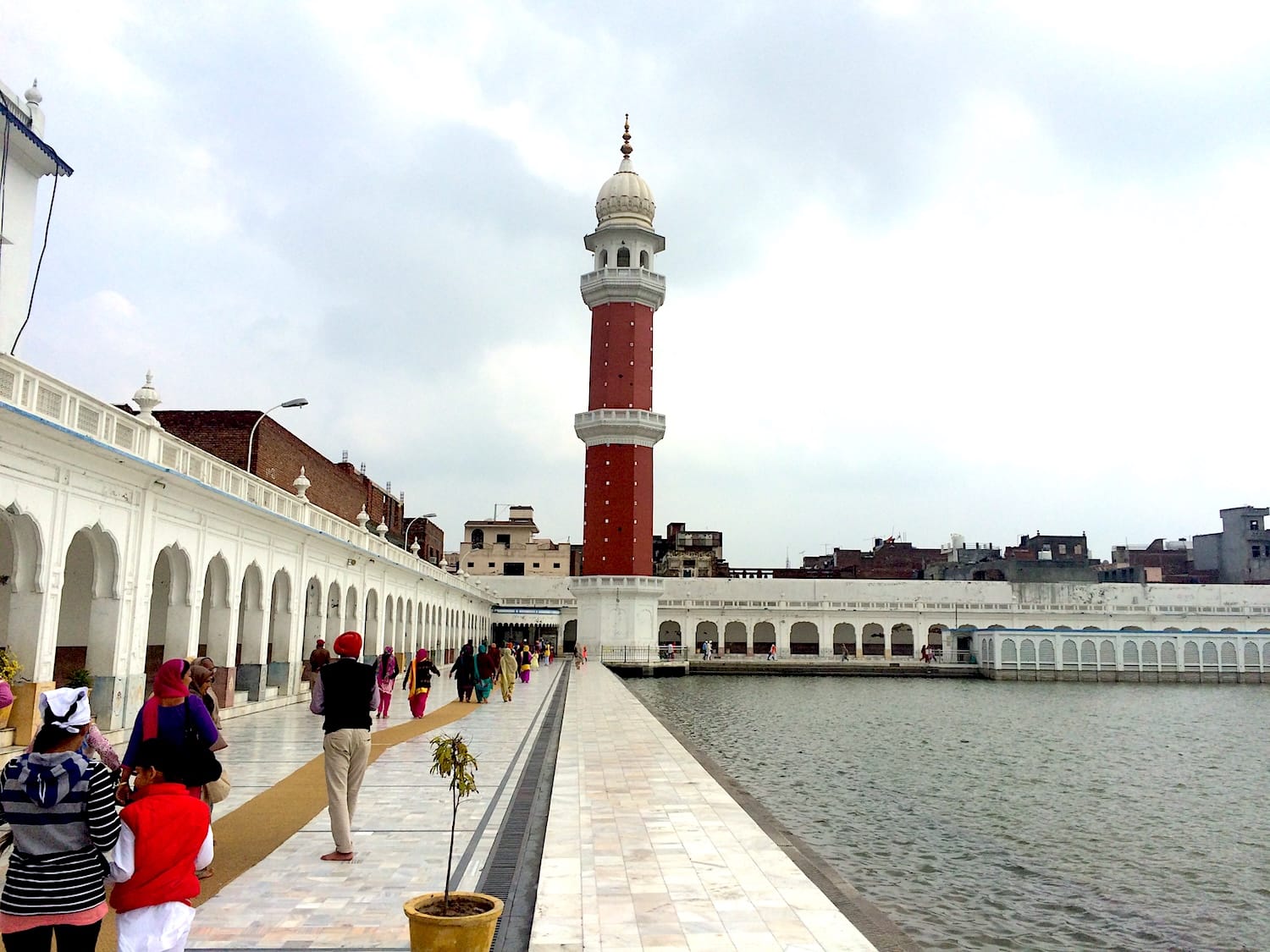
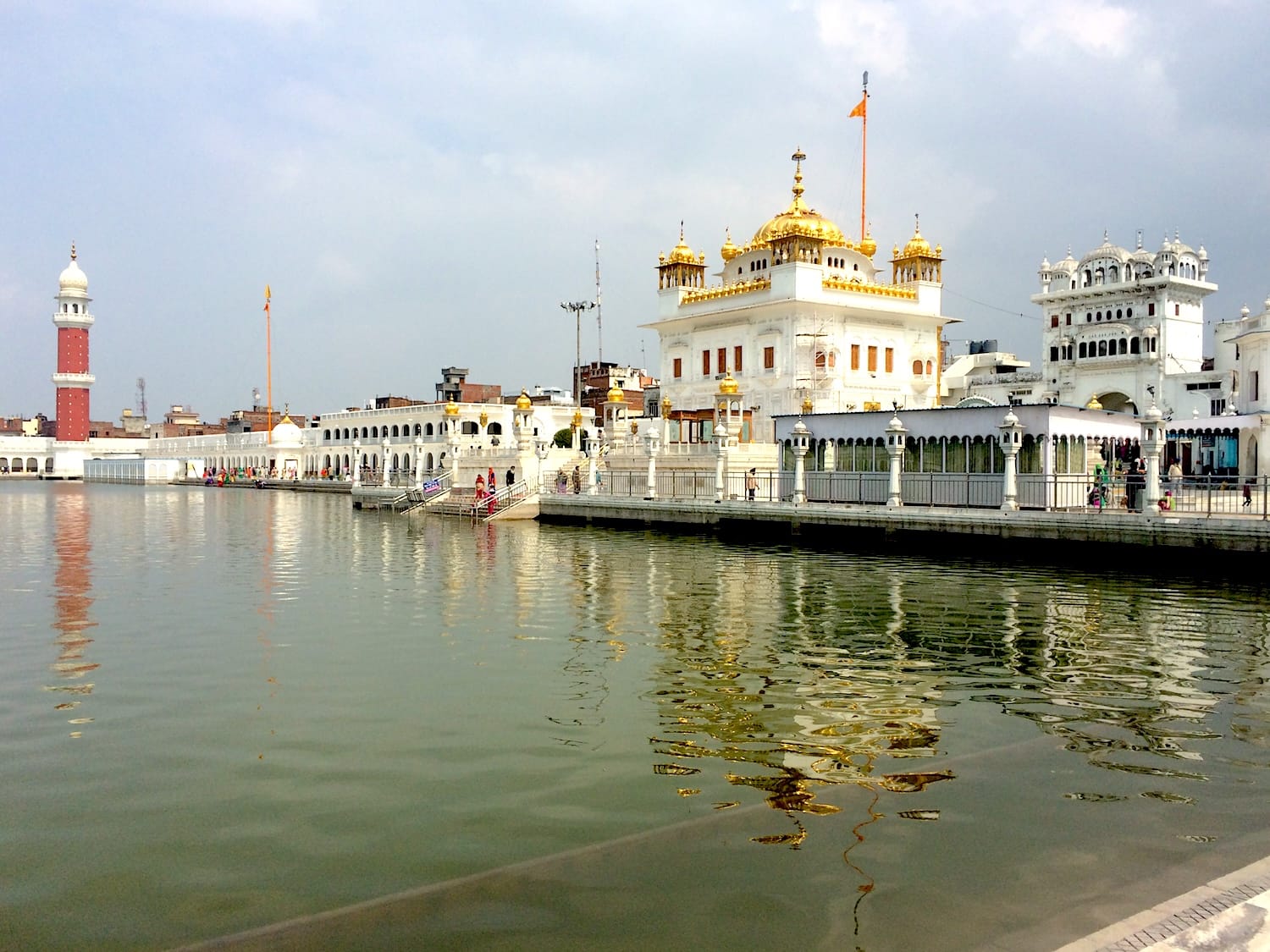
We strolled towards Nau Nihal's lone tower, its red brick base and column topped by a white dome. The clouds cast cool shadows on the warm marble floors of the square, sparing the soles of our bare feet. I stopped several times to take photos, but my father seemed more interested in taking a brisk lap around the pool instead of posing. In many of my photos from that morning, and throughout our trip, my father was always slightly ahead, a figure usually found in the corner of the frame.
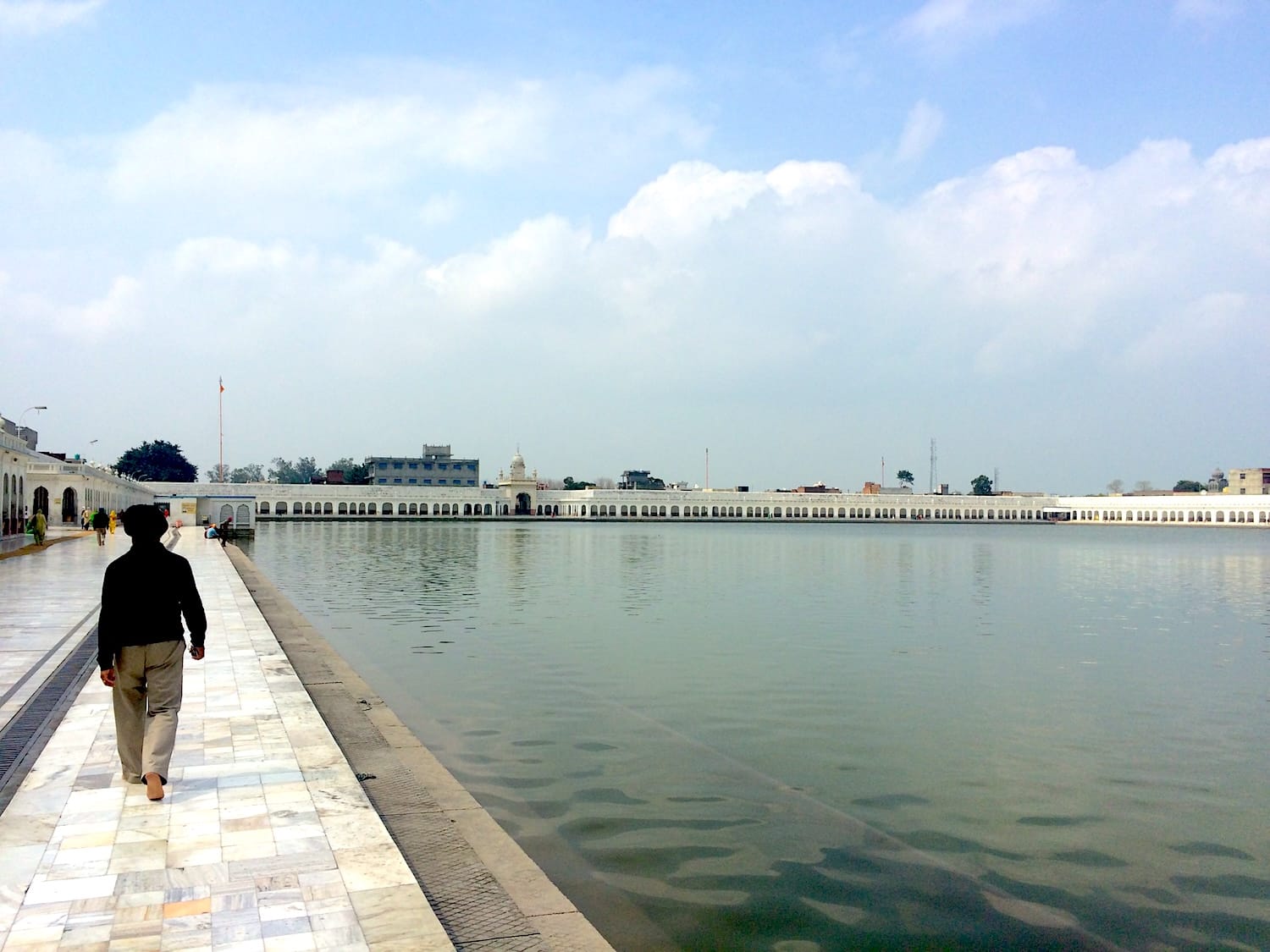
The marble floor tiles that ran the length of the square were filled with delicate hand carvings of lions in stride and birds in flight, encircled with flowers and leaves. Marveling at the square’s beauty and masterful construction, I wondered if Tarn Taran could be built today. It would probably take too much work, too much time, and too much money. It made me wonder if we lacked the resolve people had then, or if we had we lost the patience and imagination required to build a true masterpiece from the soul. Or had our priorities just changed—would our towering glass structures and steel marvels be our legacy for future generations to wonder at?
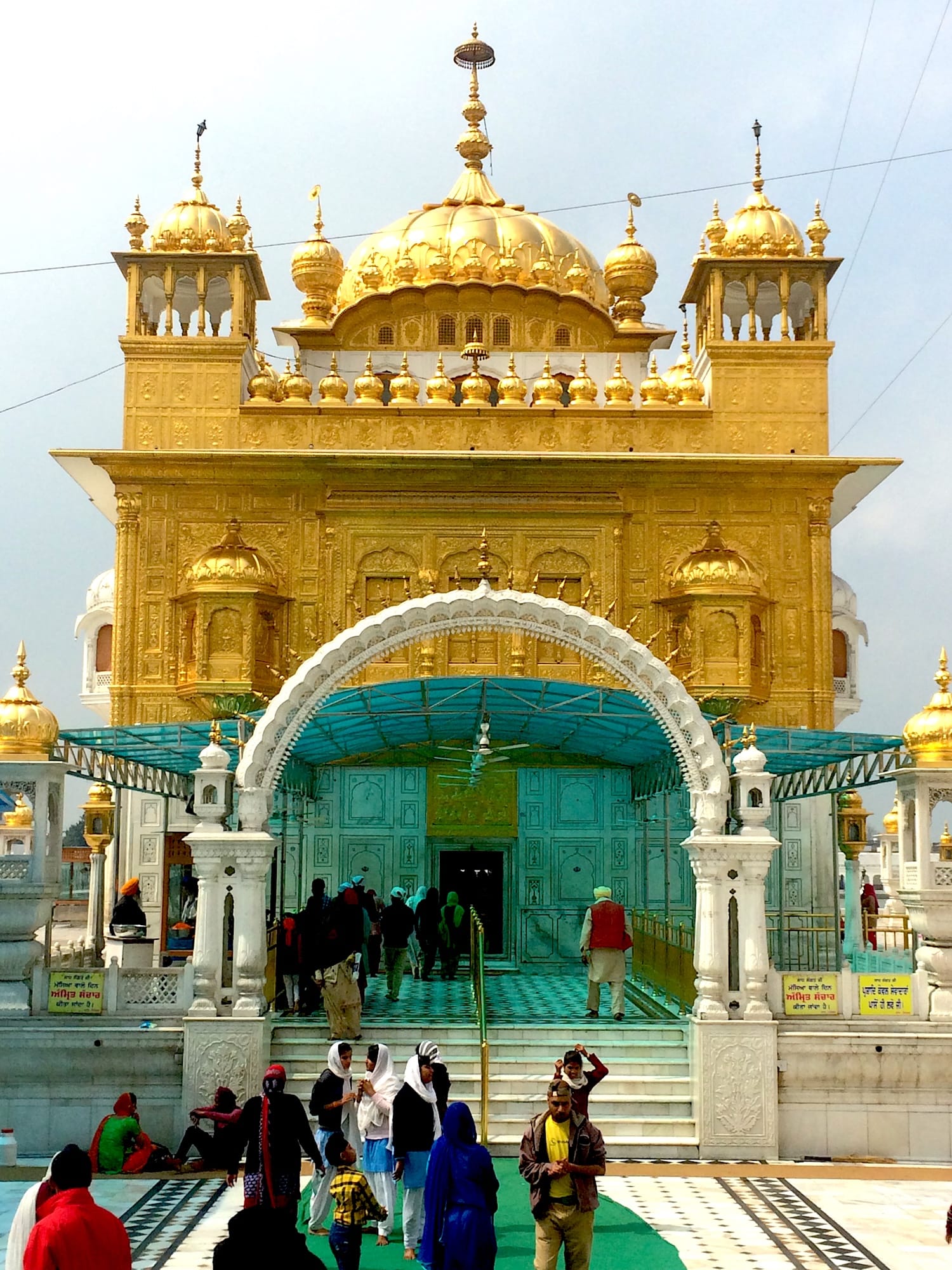
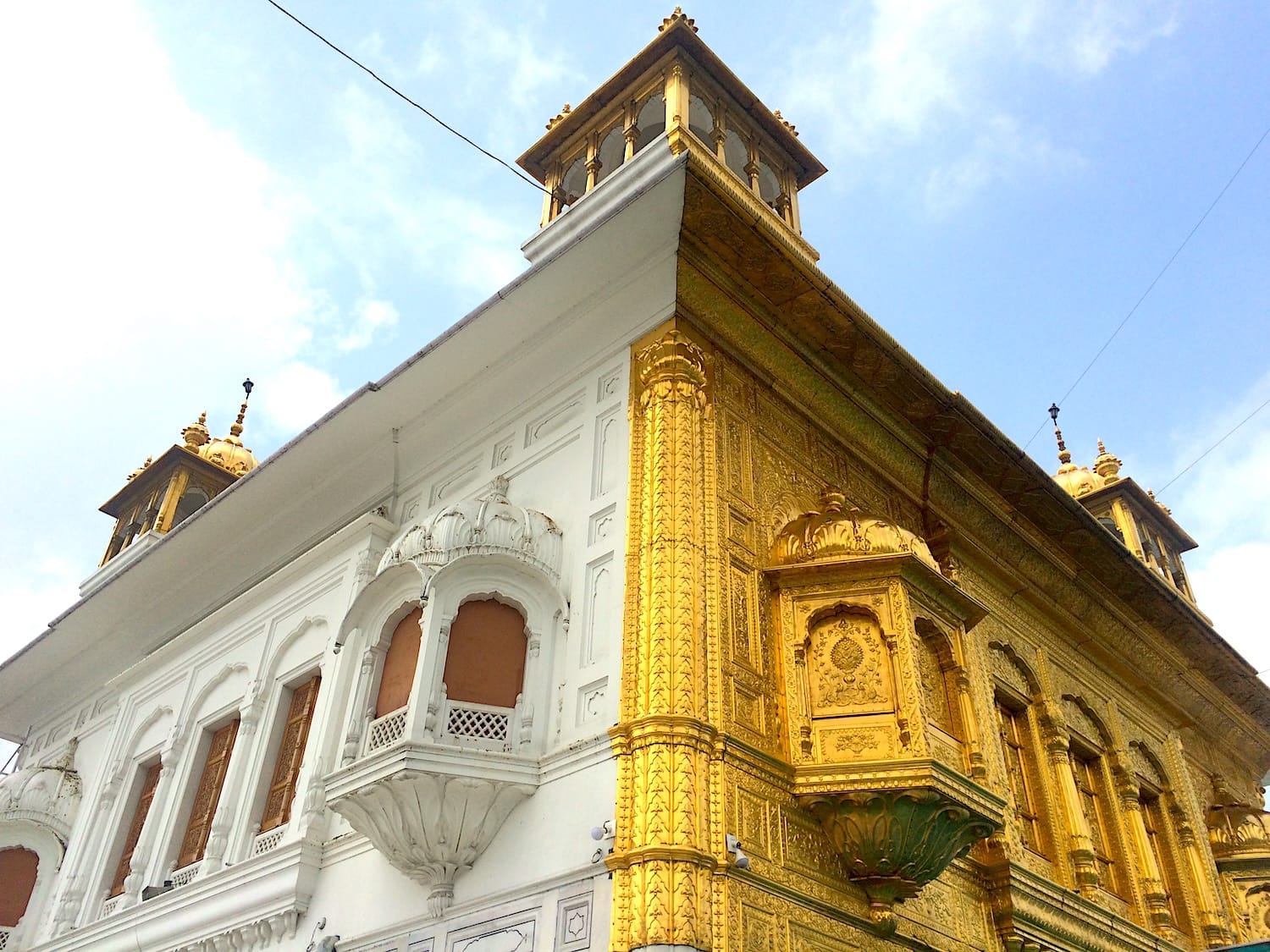
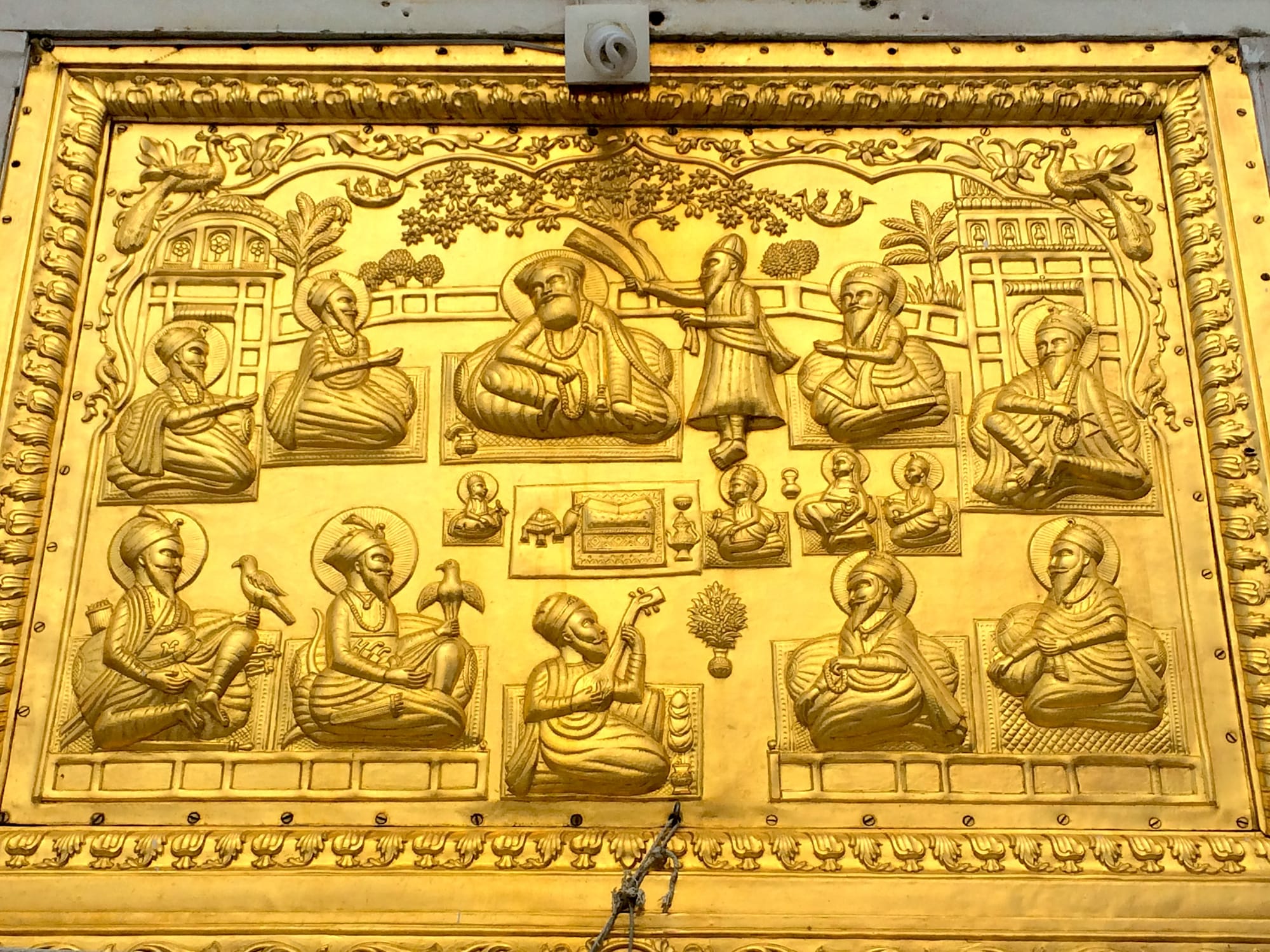
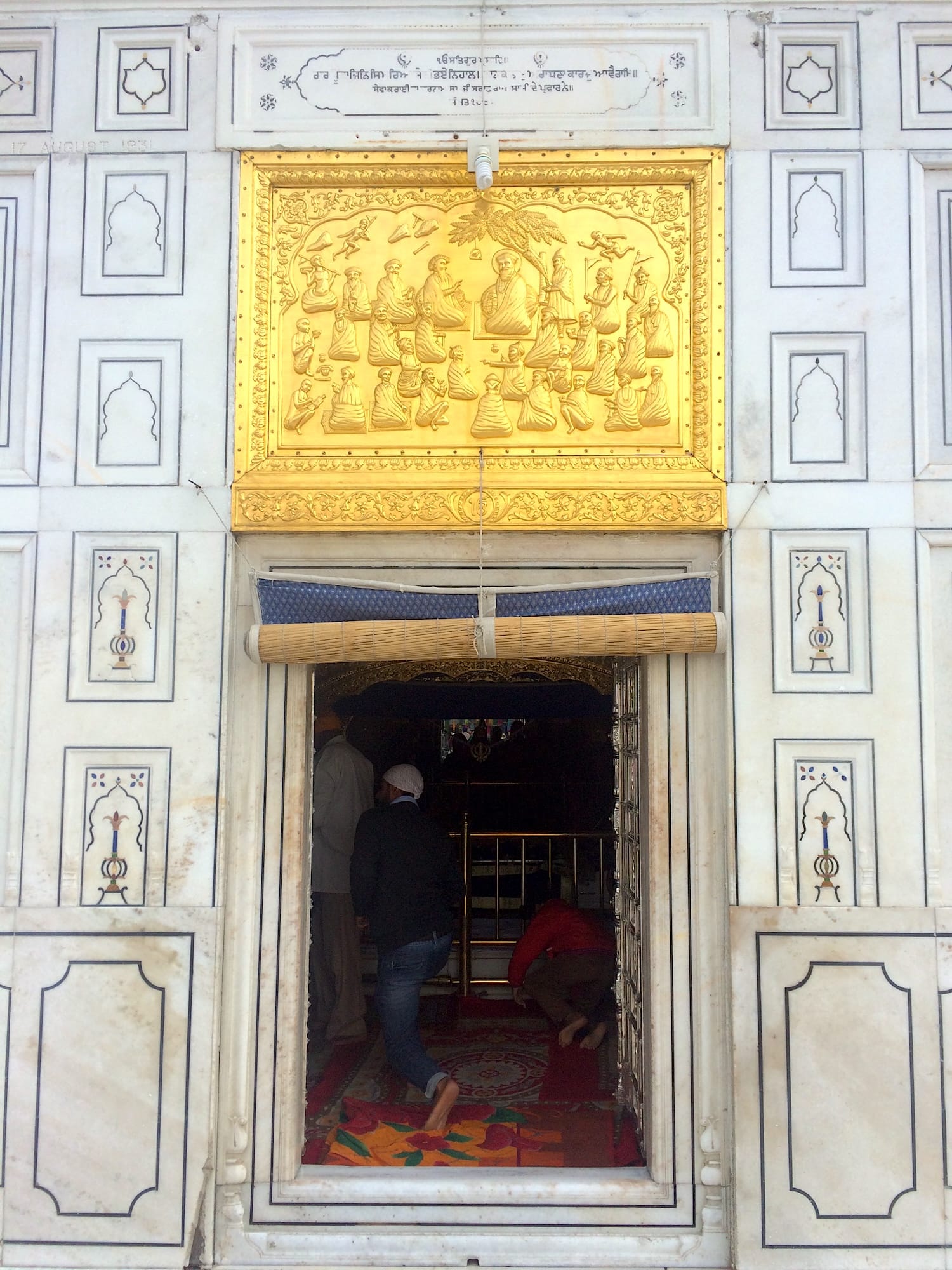
Tarn Taran Gurdwara was built on a raised marble foundation. Similar in appearance and size to the Harmandir Sahib gurdwara, it has a prominent central lotus dome and smaller ones on each corner, all sheeted with gold. The front of the building was covered in gold, and the rear was marble white, which creates a remarkable effect where the gold meets the marble at the corners.
There was no lengthy line at the entrance or impatient crowd inside. Inside, we found a vacant corner and sat down. Service was underway, the calming hymns and tablas reverberating through our tired souls. I looked around with awe at the gold-foiled walls and ceilings with their stunning, detailed designs. Fine reds and blues outlined the marvelous work, everything glistening in the light of a chandelier hanging above like a small sun. Further above was darkness, but flashes of gold flickered, like shooting stars on a summer night. Tarn Taran is a gem.
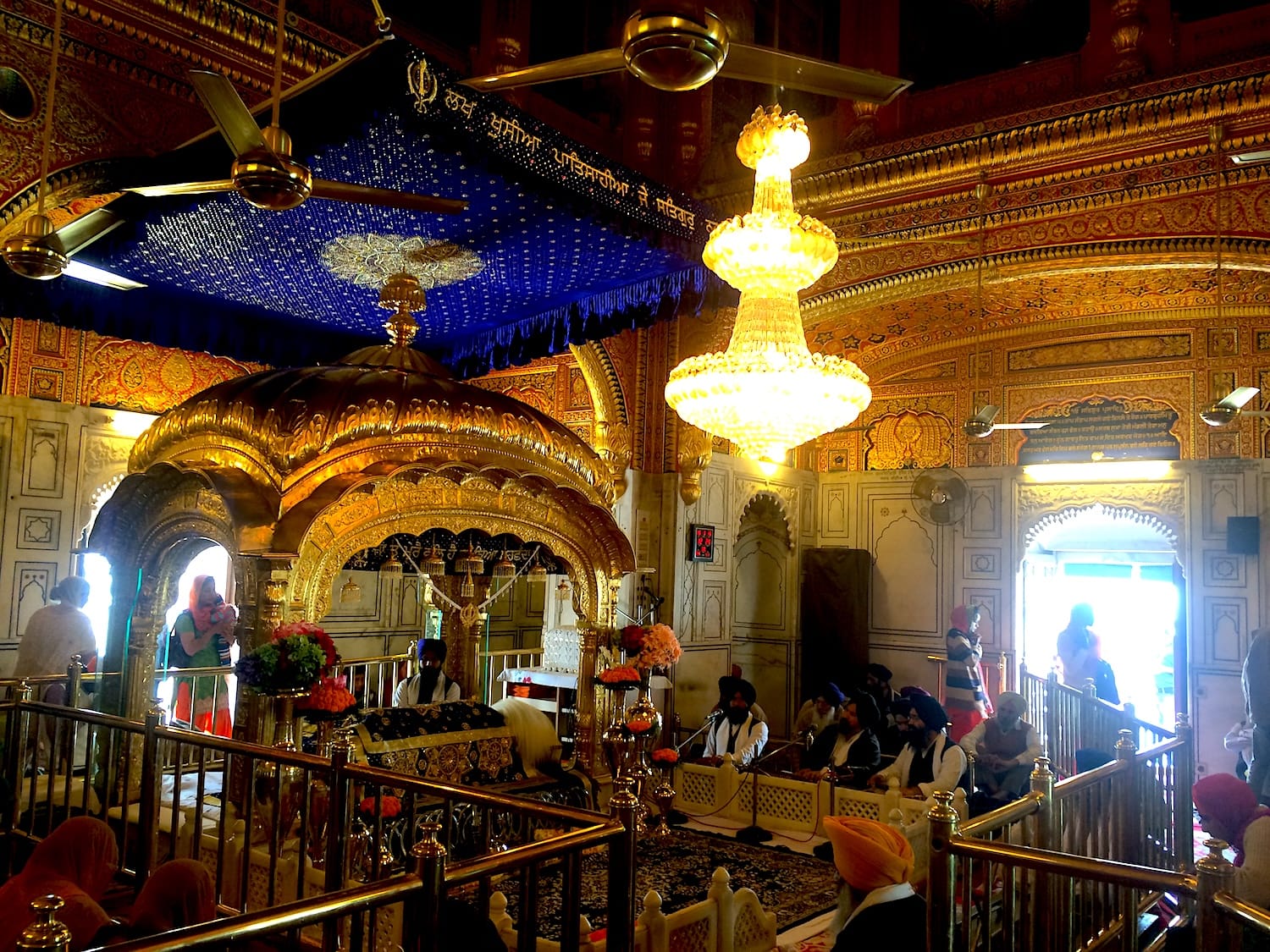
We meditated for about twenty minutes. My father rose and I followed him out. Ahead of us were stairs that descended into the expansive sarovar, where children splashed and played games and, further out, old men with long, gray, wet beards bobbed up and down, their stoic gazes watchful.
Get Chapter 1 Free From My Book
Sign up for the newsletter and I'll send you a free PDF of Chapter 1.