The Road From Partition | My Grandparents | Part 1 of 2
Both of my grandfathers had their lives upended by the tragedy of India’s Partition. Learn how they forged a new future against overwhelming odds.
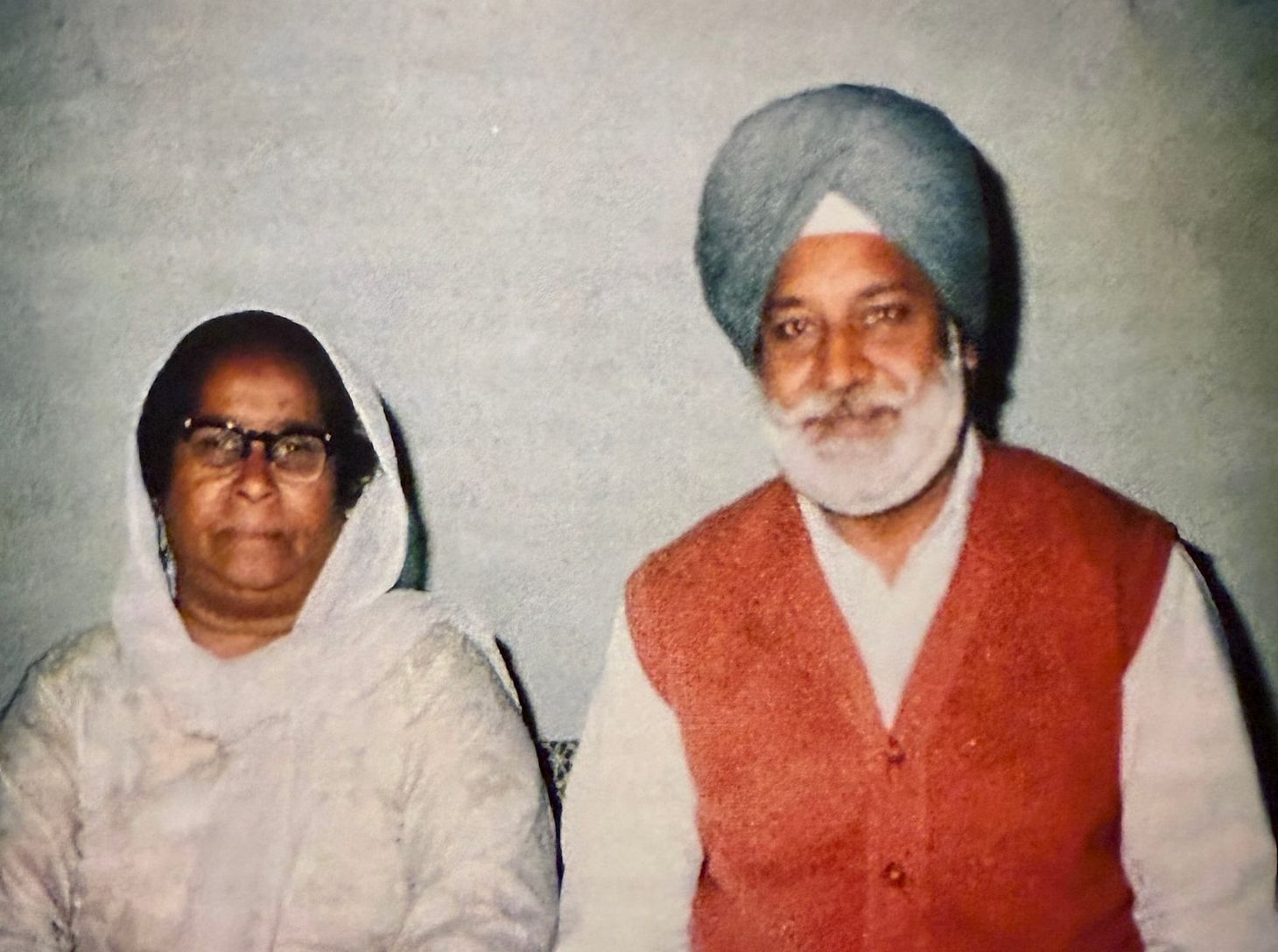
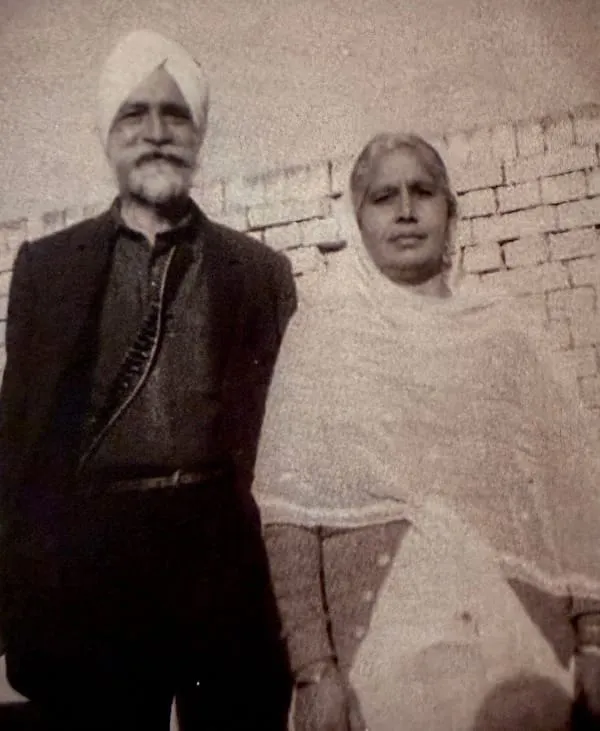
Along with millions of others, both of my grandfathers lives were forever changed by the horrors of India’s Partition in 1947, which they barely escaped.
In this excerpt from my book, I share how they were forced to rebuild their lives from the ground up, overcoming extraordinary hardships to create wildly successful businesses.
Here's the story of my paternal grandfather's journey:
In 1968, when he was only twenty-three, my father became the first professor in his family. His grandfather, Sardar Bhola Singh, gave him a surprise visit to offer his congratulations and also shared some family history. In 1800, Maharaja Ranjit Singh was twenty years old and already ruling most of Punjab. In return for loyal service in his army, Ranjit was known to reward his subjects with gifts of land. This, my great-grandfather explained to my father, was how it came to pass that Ranjit bestowed a tract of land in the village of Bhattian, in the Hoshiarpur Sector, upon Bhola’s own great-grandfather, Rikhi Ram.
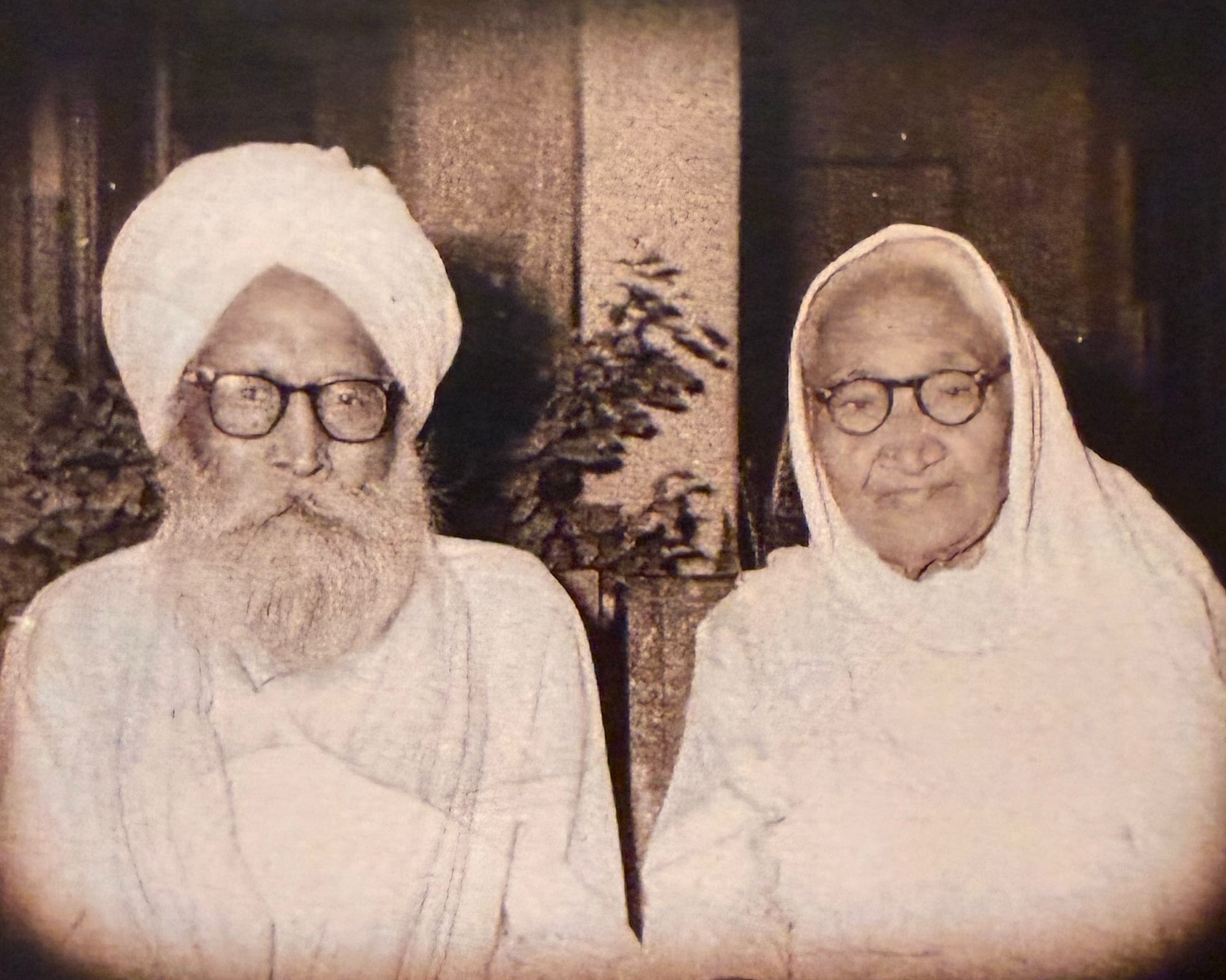
Rikhi Ram built a farm, which passed from father to son until my grandfather, Parduman Singh, decided to become a businessman instead of a farmer. It was a bold move to break from a century and a half of tradition, but in 1945, the year my father was born, Parduman Singh, aged twenty, became an entrepreneur. England had stopped importing fountain pen nibs to India after World War II, so my grandfather used the money he had saved working as a lathe operator in a factory to establish his own factory in Lahore, manufacturing fountain pen nibs. Within a year, he was supplying nibs all over India and well on his way to building a small fortune.
In 1947, Partition split Punjab in half, and my grandfather had to leave everything behind. He sent his wife and son to India and stayed behind to close down his flourishing business. Escaping just in the nick of time, my grandfather fled to the newly formed India on the back of his brother’s motorcycle, dodging bullets fired by Pakistani soldiers. They managed to escape unharmed, and my grandfather settled his young family in Jalandhar, eighty miles east of Lahore.
Faced with the daunting task of building a new business again from the ground up, my grandfather stuck to what he knew—pens. He realized that no one was manufacturing fountain pens in northwest India, so he and his two younger brothers decided to go into business together. My grandfather had managed to escape with the profits from his manufacturing business in Lahore, which he and his brothers used to build a factory in Hoshiarpur; they relocated their operations to Jalandhar in 1956. They quickly cornered the market and flourished. The brothers built sprawling estates next to one another in Jalandhar, each home a replica of the other, reflecting their bond as brothers and partners.
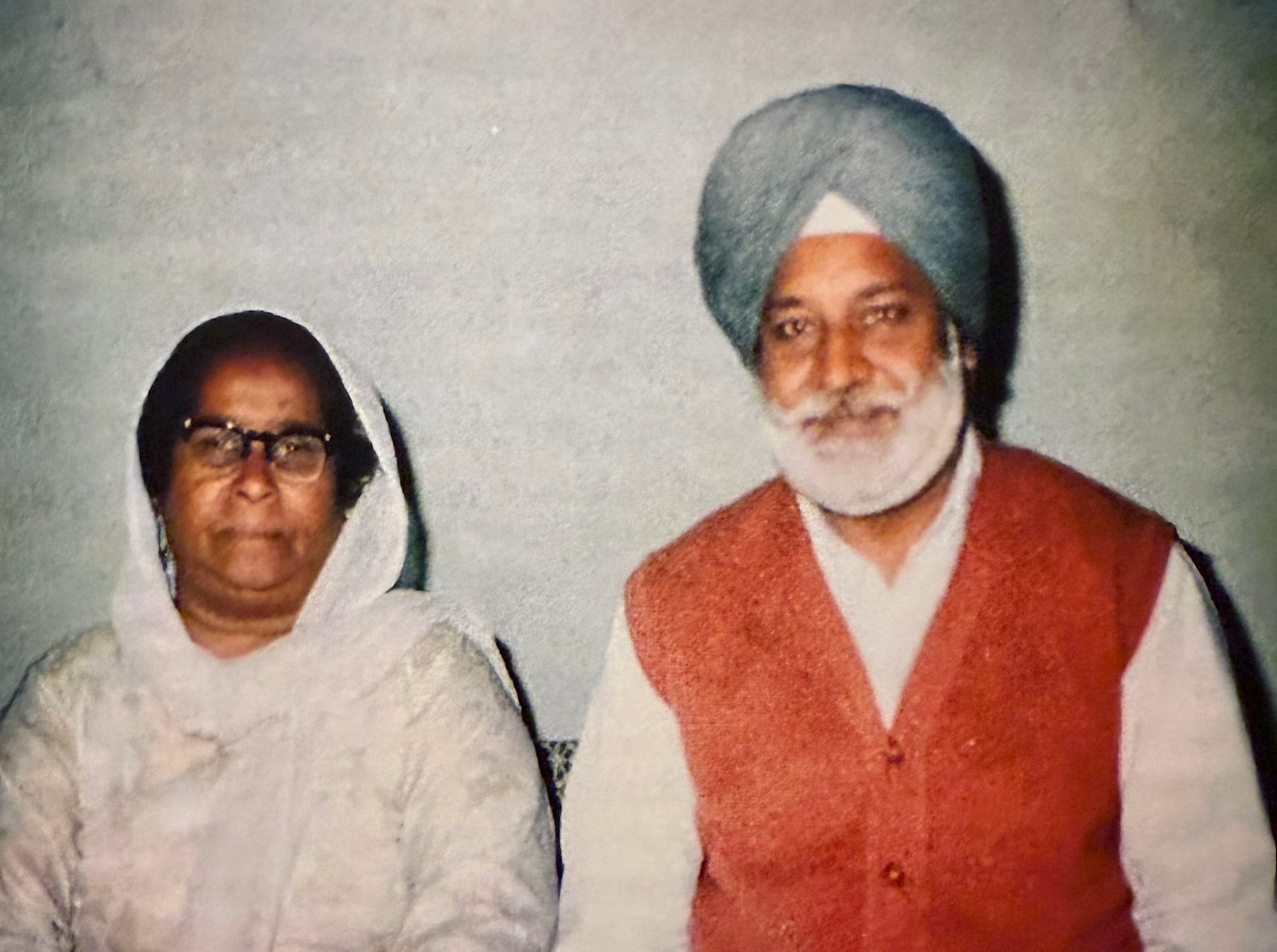
As my grandfather’s business grew, so did his family. He had four sons and a daughter, all born within a few years of each other. He raised his children with discipline and shrewdness; the same way he ran his business. He was always aware of where everyone was and what they were up to. All matters passed through him, and his word was final, leaving no room for debate.
A childhood under my grandfather's roof sounds stifling to me now, but many of his ironclad principles proved to be invaluable, especially regarding the importance of an education. In 1965, my father completed his bachelor’s from Lyallpur Khalsa College in Jalandhar. He left for Nainital in the Himalayan Mountains to get his master’s degree in chemistry, after which he returned to Lyallpur College as a professor. That same year, he wrote two impressive textbooks that were immediately added to the school’s chemistry curriculum.
I was just a boy when I learned my father had written those books, and it showed me what was possible. That I, too, could create something memorable, building a legacy through words filled with meaning and truth. I could preserve the stories woven into my family’s history, honor the past that shaped who I am, and share those memories through the very words you are reading now.
Continue to Part 2
Get Chapter 1 Free From My Book
Sign up for the newsletter and I'll send you a free PDF of Chapter 1.