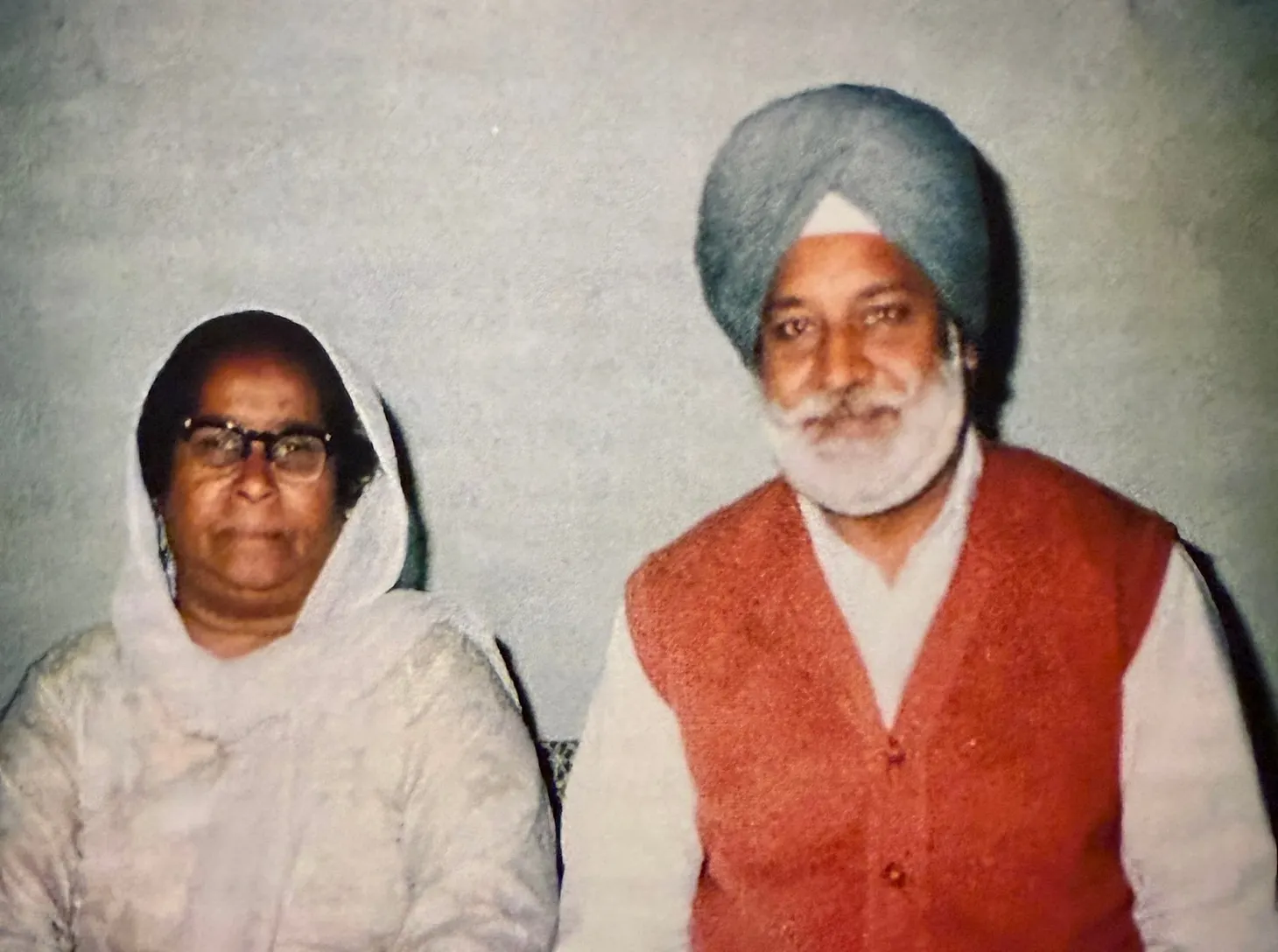
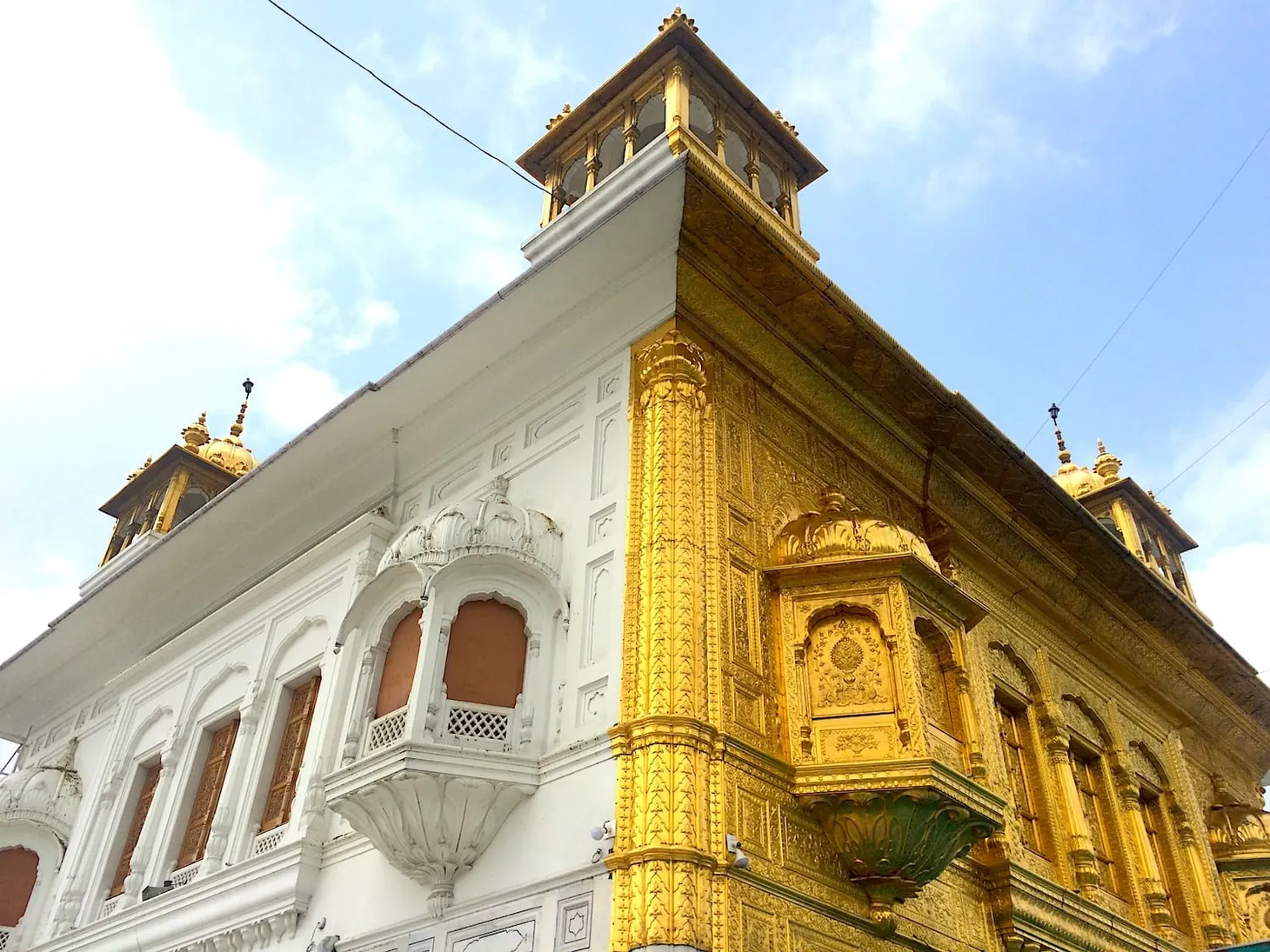
The Road From Partition | My Grandparents | Part 2 of 2
Both of my grandfathers had their lives upended by the tragedy of India’s Partition. Learn how they forged a new future against overwhelming odds.
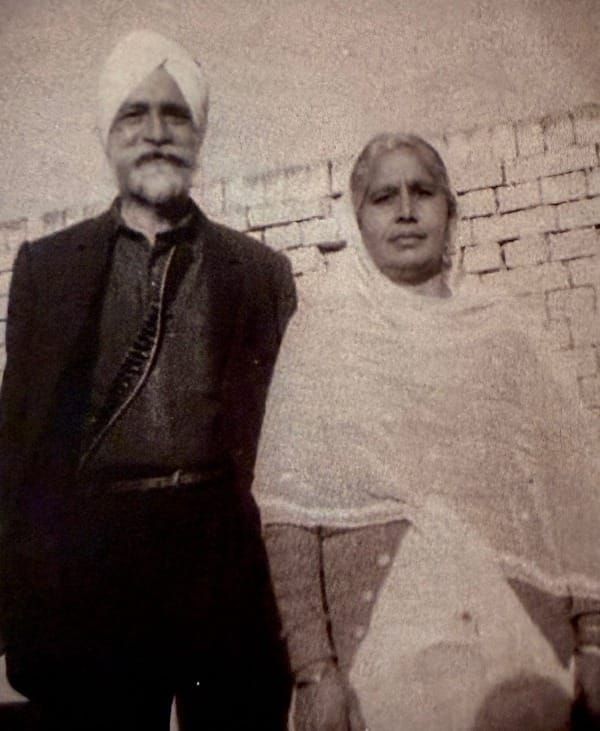
Click here for Part 1
In this excerpt from my book, I arrived with my father in the city where my maternal grandfather rebuilt his life after narrowly escaping death during Partition, and how he went on to build a thriving business from nothing:
I imagined that the little city I saw from the bus wasn't so different from the Panipat where my grandfather had made his fortune, some sixty years earlier. My mother’s father, Sardar Darshan Singh, was born in 1915 near Jalandhar. In 1947, he left his pregnant wife behind to find work in Lahore, Punjab’s largest city. Partition was declared shortly after he arrived, so my grandfather suddenly found himself stranded in Pakistan like millions of others. Despite his towering stature and formidable strength, he was captured by a Muslim mob that spared his life, only to force him to work at a forge, crafting the very swords that would be used to slaughter Sikhs and Hindus.
One night, my grandfather escaped—barefoot, hungry, unarmed, and without his turban, he made his way towards India. He found train tracks heading east and followed them for ten miles until he made it to the border. He managed to return to his family four months before his second child, my mother, was born. Two years later, my grandmother died from smallpox, not long after giving birth to another child. Left alone with three young children to support, my grandfather left my mother in the care of his late wife's parents in Dehradun, a small village near the Himalayan foothills of northeast India, for the next six years. Her 3 month year old brother was left with her father’s mother and her 12 year old brother lived with her father in New Delhi where he found work. My mother remembers those as hard, sad years—she had lost her mother, was separated from her family, and her old-fashioned, superstitious grandmother seemed to blame her for her mother's death.
Meanwhile, my grandfather made a new life: he got a job at a factory and remarried in 1950. In 1956, when my mother was eight years old, Darshan Singh brought all his children to New Delhi to live with him and his new wife, who had also been widowed. Though my mother was happy to be reunited with her father, she wasn’t sure if her new stepmother would welcome her. Thankfully, my grandfather’s new wife loved my mother, and her brothers like they were her own children.
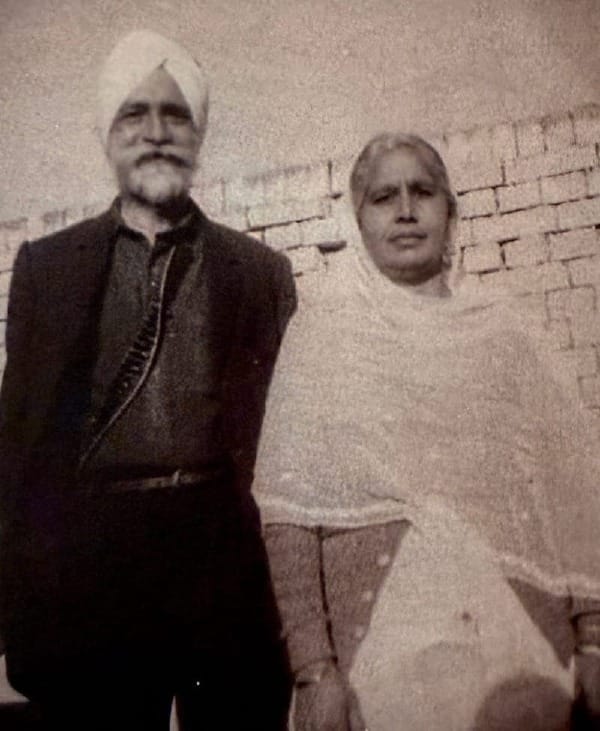
Without a college degree or any formal training, my grandfather somehow taught himself the designs and functions of the different machines he worked on at the factory. His intelligence and incredible memory allowed him to quickly grasp complicated concepts. In 1957, he left New Delhi and, armed with the skill and knowledge he had gleaned in seven years at the factory, started his own business in Panipat. It was one of the few manufacturing plants in India that made the steel nuts and bolts for heavy industrial machinery. India’s businesses and farming communities were undergoing a rapid modernization, and my grandfather seized the opportunity, scaling his flourishing business to meet the surging demand.
My grandfather, a truly self-taught, self-made man, soon became a business leader and respected member of the community. He created jobs, became president of the local gurdwara, and provided for those in need in whatever way he could. He was always the first person to arrive at his factory and stood outside to greet his employees when they arrived, asking about their families and their lives. On festival days like Diwali, he would hand out blankets and food but never liquor. Even after my grandfather became a very wealthy man, he lived a frugal life, but one day he finally spent big on himself. In 1970, he bought his first car, one of the very first in Panipat.
My mother has often told me this story: she was ten years old and having lunch with her parents when a frail, filthy Hindu mystic (known as a sadhu) arrived at their door. Her stepmother asked the man to leave, but her father asked what he wanted. The sadhu told my grandfather that he hadn’t eaten in days, and when he asked the locals for help, they had told him to find Darshan Singh. Without hesitation, my grandfather offered him a seat at their table. When they were finished with lunch, my grandfather gave the man a blanket and some money. The overjoyed sadhu blessed him and was on his way. True to his Sikh faith, my grandfather gave without expecting anything in return. He put other people’s needs before his own and believed everyone deserved an opportunity, regardless of their caste or faith.
My grandfather died when I was four years old and visiting India for the first time. I remember him laid out on a giant block of ice under the hot sun; the entire village had gathered to mourn him. My mother was shocked to see the size of the crowd at his funeral—his circle of friends and influence was much larger than she had remembered. It was a fitting tribute for a man who spent his life in the service of others.
Get Chapter 1 Free From My Book
Sign up for the newsletter and I'll send you a free PDF of Chapter 1.